
Topic
Market Data
The numbers behind the housing market: mortgage rates, home prices, inventory, and the economic indicators that move them. Our market-data coverage tracks the signals, from Federal Reserve data to Census construction reports, and interprets them through free-market economics.
-
Market Data
Friday Market Recap — March 28, 2026: Rates Surge to 6.38%, the Spring Market Window Slams Shut

Week of March 23–28, 2026: 30-year rate surged to 6.38%, up 40 bps from the February low. Q4 GDP at 0.7%. Fed trapped. Spring market faces a reality check.
-

In Q4 2025, new homes cost $9,600 less than existing ones — flipping a $66,000 historical premium. What this price inversion reveals about monetary policy, rate lock-in, and the aging housing stock.
-
Market Data
Friday Market Recap — March 21, 2026: Fed Holds, Rates Climb to 6.22%, and the Spring Market Stalls

Week of March 17–21, 2026: FOMC held at 3.5–3.75% with a dovish dissent. 30-yr rate jumped to 6.22%. Pending sales +1.8% but -0.8% YoY. Builder confidence 38 — 21st month below 50.
-
Market Data
The Housing Inflation Trap: How Shelter CPI's Grip on the Numbers Is Keeping the Fed's Hands Tied

Shelter CPI rose 3.0% in February 2026 — the single biggest inflation driver. Why the OER lag keeps the Fed's hands tied and mortgage rates above 6%.
-
Market Data
Friday Market Recap — March 13, 2026: Rates Rebound, Tariffs Hit, and the Spring Market Faces a Dual Squeeze
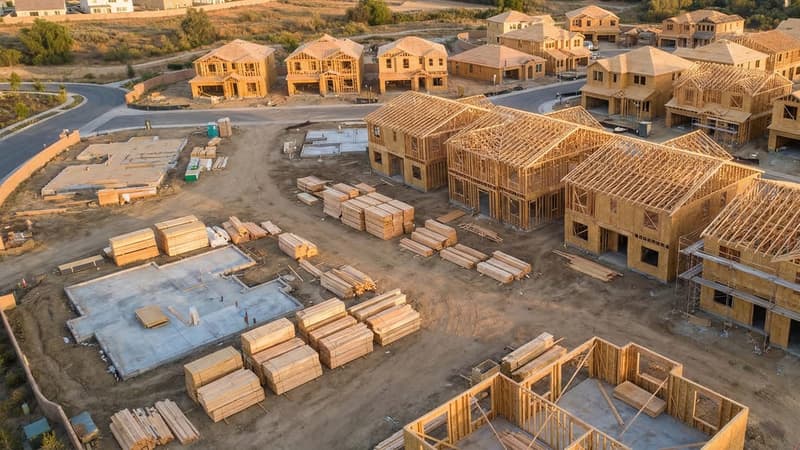
Week of March 9–13, 2026: Mortgage rates rebounded to 6.11% after a brief sub-6% window. Tariffs added $10,900+ per new home. Housing permits fell 5.8% YoY. Full data through the free-market lens.
-

Understanding the NAR Housing Affordability Index: how it's calculated, why it's at the lowest levels in 40 years, and what it reveals about the structural crisis in American housing.
-

Essential housing market metrics for 2026: mortgage rates, median home prices, housing inventory, affordability index, and economic indicators that signal where the market is heading.