
Topic
Zoning & Supply
Restrictive zoning laws are the single largest regulatory barrier to housing affordability in the United States. Single-family zoning, minimum lot sizes, height limits, parking mandates, and slow permitting prevent building where demand is highest. Our analysis covers zoning reform, the YIMBY movement, density bonuses, and the economics of housing supply, grounded in free-market principles.
-
Zoning & Supply
Houston's Housing Lesson: What America's Largest Unzoned City Reveals About Supply, Prices, and Central Planning

Houston is America's largest city without traditional zoning, and its housing costs 20% below the national average. The data on markets vs. mandates.
-
Zoning & Supply
Frozen in Place: How Historic Preservation Zoning Locks America's Priciest Neighborhoods in Permanent Housing Scarcity

Historic preservation laws function as permanent supply restrictions. With 38,000+ landmark properties in NYC alone and 20% of Manhattan locked under LPC review, the costs fall on everyone who needs housing.
-
Zoning & Supply
The States That Said No to Local Veto Power: How Zoning Preemption Is Unlocking America's Missing Housing Supply
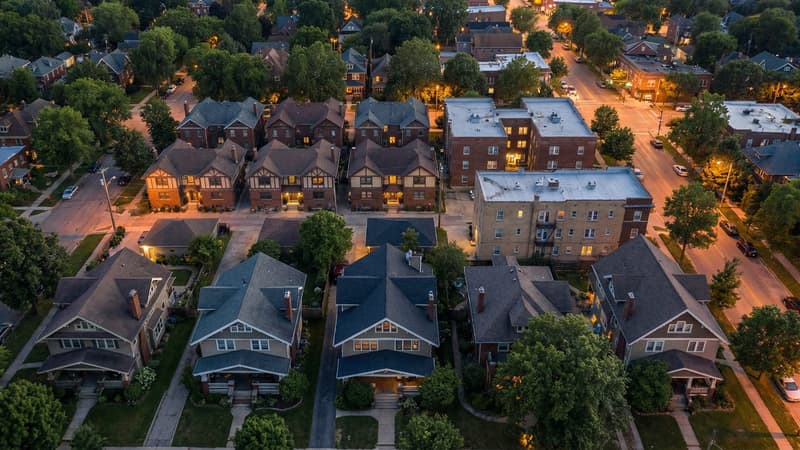
From Oregon's 2019 reform to Montana's bipartisan duplex law, states are discovering the most powerful affordable housing tool costs nothing: removing the prohibition on building.
-
Zoning & Supply
How New Luxury Apartments Create Affordable Housing: The Market Mechanism Regulators Keep Blocking
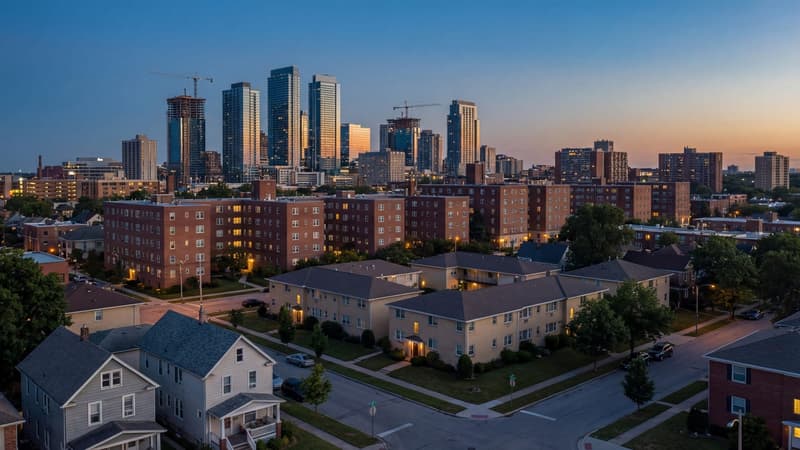
Filtering is one of the best-documented findings in housing economics: new market-rate construction sets off a vacancy chain that makes older units cheaper for everyone.
-
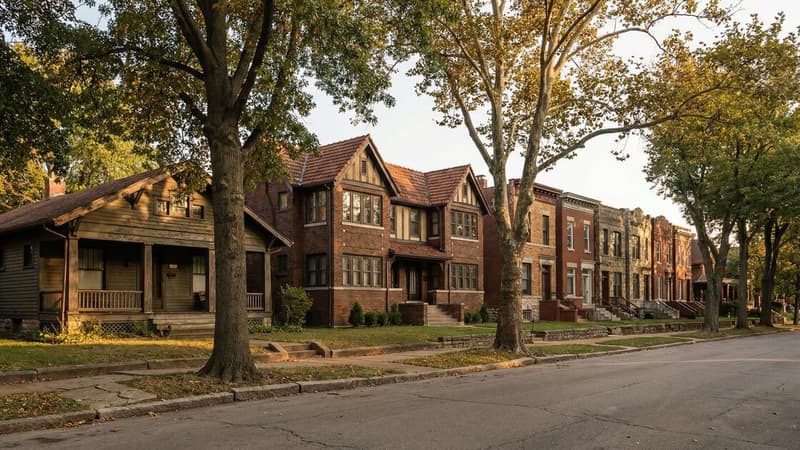
Duplexes and small apartment buildings once filled American neighborhoods. Today they're illegal on 75% of residential land — the hidden engine of the housing crisis.
-
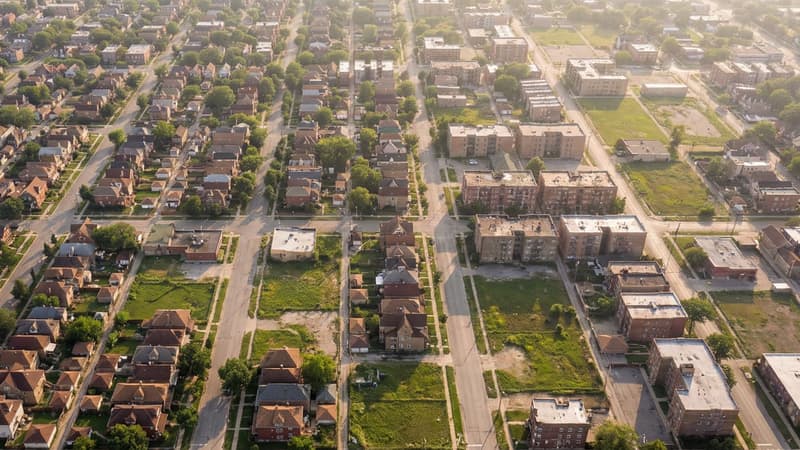
America's housing crisis has a hidden driver: a regulatory 'zoning tax' that embeds nearly $94,000 into the price of every new home, per NAHB-NMHC research. Here's how it works.
-
Zoning & Supply
The Urban Growth Boundary Trap: How Planning Lines Price Americans Out of Homeownership

Oregon's urban growth boundaries were drawn to stop sprawl. Instead, they created artificial land scarcity, inflating Portland home values to $546,000 while proving Hayek's central planning critique.
-
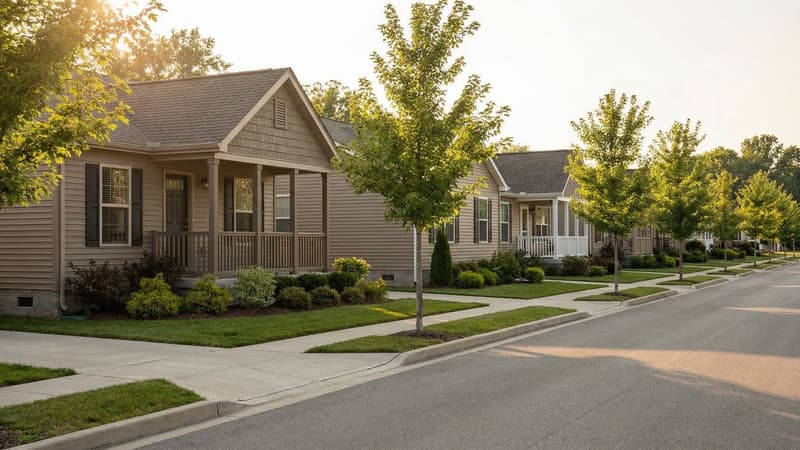
Manufactured homes cost half as much as site-built per square foot, yet zoning bans and financing penalties keep them off most residential land. Here's the data.
-
Zoning & Supply
The Permitting Labyrinth: How Bureaucratic Delays Are Pricing Americans Out of New Homes

Government permits take 81% longer than the law allows. King County delays hit 1,557 days, adding $243,000 per project. Every cost passes to homebuyers.
-
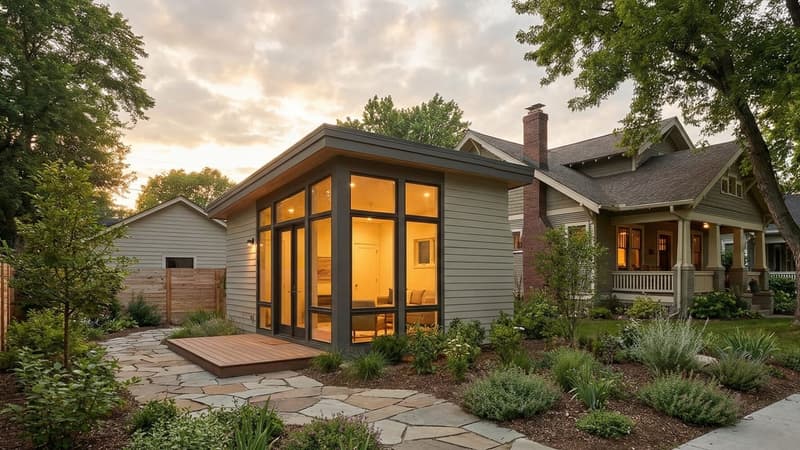
When California stripped ADU restrictions, permits surged 15,000%. A free-market case for accessory dwelling units as America's most cost-effective housing solution.
-
Zoning & Supply
The Hidden Cost of "Free" Parking: How Mandatory Minimums Price Americans Out of Housing
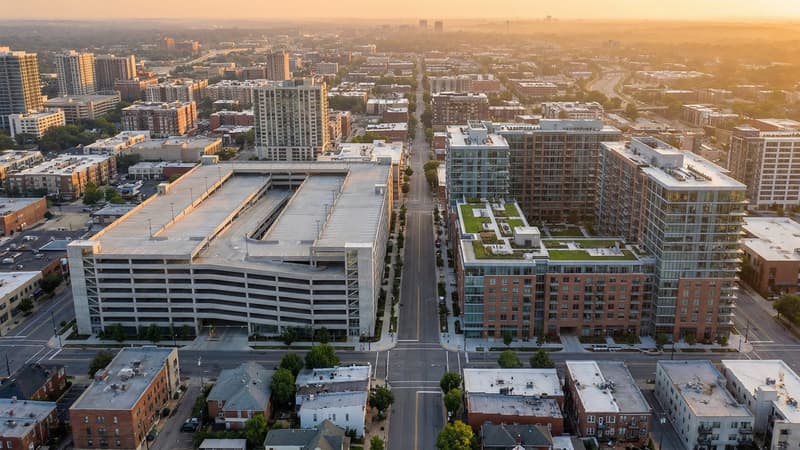
Mandatory parking minimums add $30,000–$50,000 per space to construction costs — costs passed directly to renters and buyers. A free-market analysis of zoning's most overlooked housing tax.
-
Zoning & Supply
The Inclusionary Zoning Paradox: How "Affordable Housing" Mandates Make Housing Less Affordable
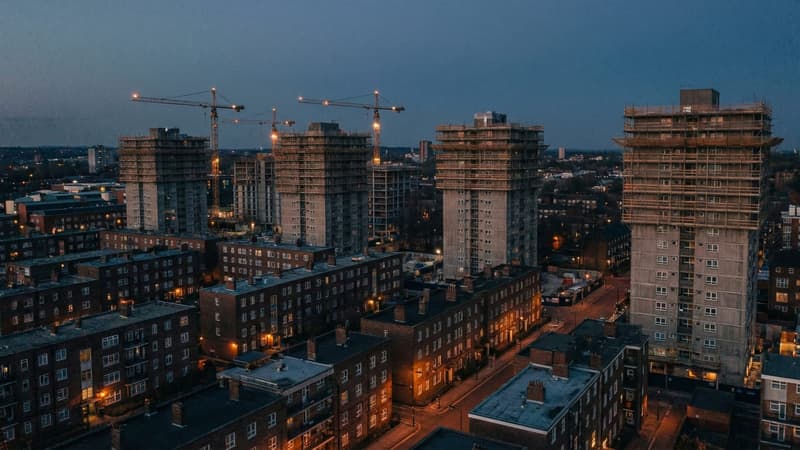
Inclusionary zoning mandates reduce housing supply, raise market-rate prices, and yield just 27 affordable units per program per year. A free-market analysis.
-
Zoning & Supply
Why America Can't Build Enough Homes: The Regulatory Bottleneck
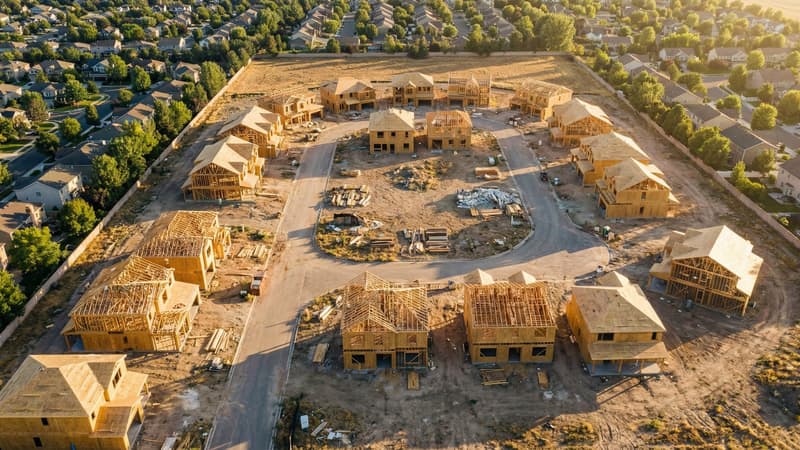
America faces a housing shortage of 3-5 million units. Permitting delays, environmental reviews, building codes, and regulatory compliance costs add $90,000+ to every new home.
-
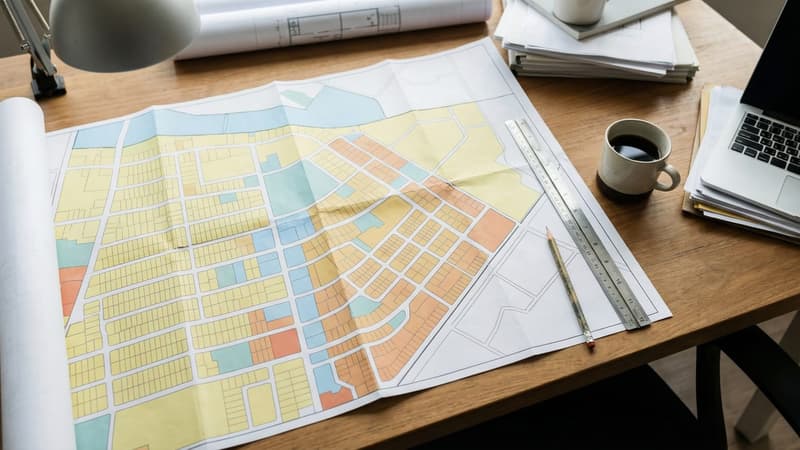
How single-family zoning laws restrict housing supply, inflate home prices, and block affordable housing development in America's most expensive cities.
-
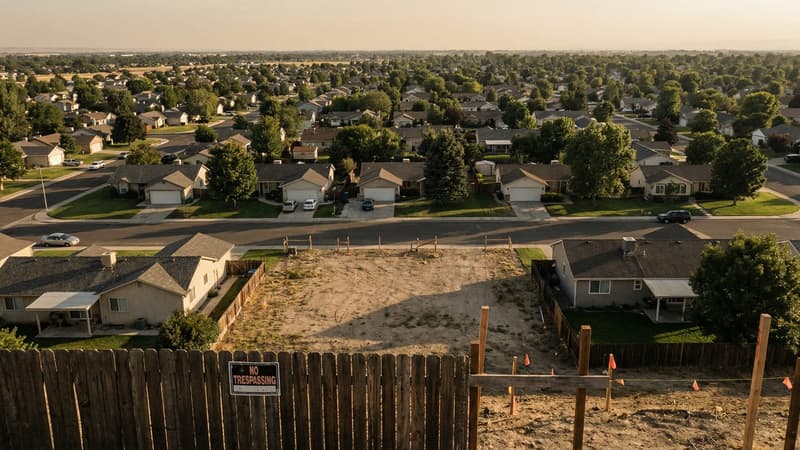
NIMBYism costs multifamily developers 5.6% in extra expenses and 7.4 months of delay per project. 'Not In My Backyard' politics are the invisible tax on American housing.