
Topic
Policy Analysis
Government housing programs promise affordability and frequently deliver the opposite. Our policy-analysis coverage dissects FHA and GSE subsidies, the mortgage-interest deduction, impact fees, tariffs on building materials, and the regulatory compliance costs that quietly inflate the price of every new home.
-
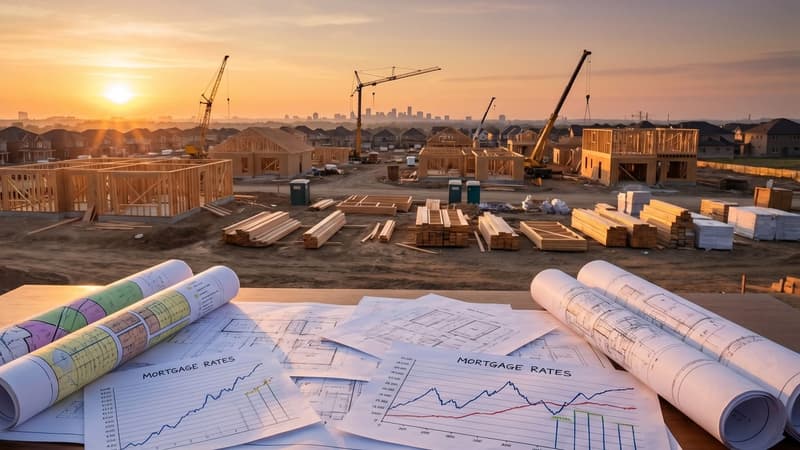
Mortgage rates near 6.3% and local supply barriers are jointly squeezing affordability in 2026. Why free-market reform must target both financing burden and build constraints.
-
Policy Analysis
The Conforming-Loan Ratchet: Why Higher Federal Loan Limits Cannot Fix Housing Affordability on Their Own
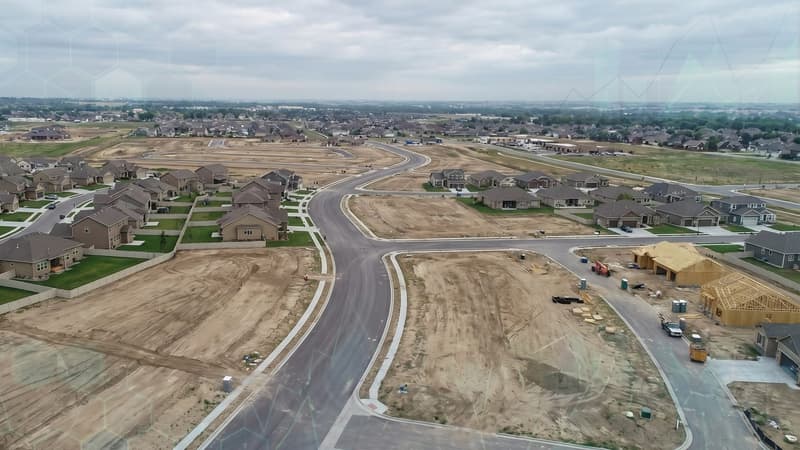
FHFA raised 2026 conforming loan limits to $832,750, but supply data and mortgage-rate evidence show why bigger loan ceilings cannot solve affordability alone.
-
Policy Analysis
The Moving Tax: How Real Estate Transfer Levies Freeze Housing Supply and Hit Working Families Hardest
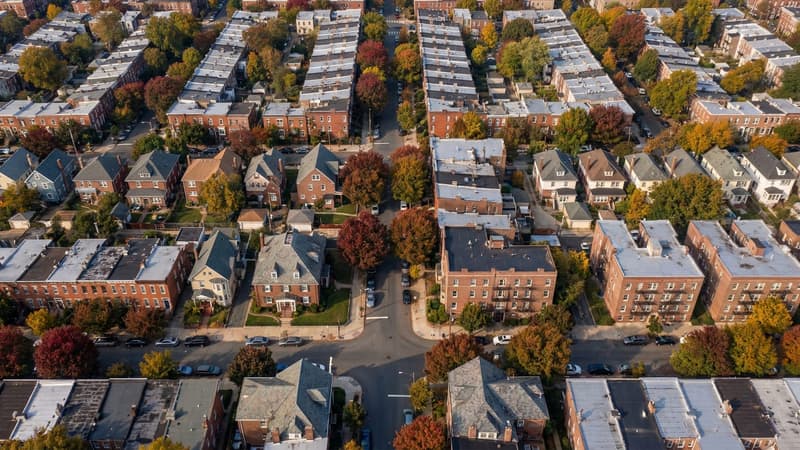
Real estate transfer taxes promise easy revenue for affordable housing, but the data show they suppress supply, trap families in place, and devastate the very budgets they claim to fix.
-
Policy Analysis
The Federal Home Loan Bank System: America's Hidden $1 Trillion Housing Finance Subsidy

The Federal Home Loan Bank System provides over $1 trillion in government-backed advances to member banks, inflating mortgage demand and housing prices for 90 years. A free-market analysis.
-
Policy Analysis
Taxing Land, Not Buildings: Milton Friedman's Radical Fix for America's Housing Crisis

Property taxes penalize construction and reward idle land-banking. Friedman called land value taxation 'the least bad tax.' With home prices 54% above 2020 levels, it deserves a hearing.
-
Policy Analysis
The SALT Subsidy: How Federal Tax Policy Entrenches the States That Have Made Housing Unaffordable

The SALT deduction overwhelmingly benefits California, New York, and New Jersey, the same states with the worst housing affordability. That's not a coincidence.
-
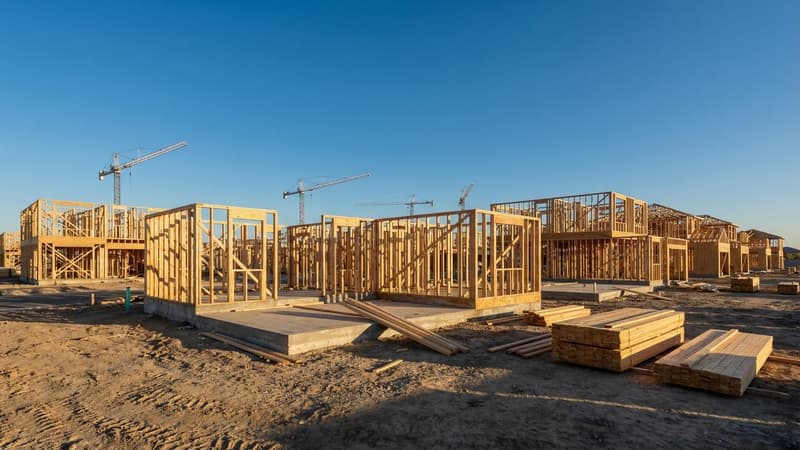
The Senate passed the ROAD to Housing Act 89-10 and the White House signed a deregulatory EO the same week. The supply-side framework is right. Here's what it actually does — and doesn't do.
-
Policy Analysis
The Invisible Housing Tax: How Government Rate Suppression Created America's Home Insurance Crisis
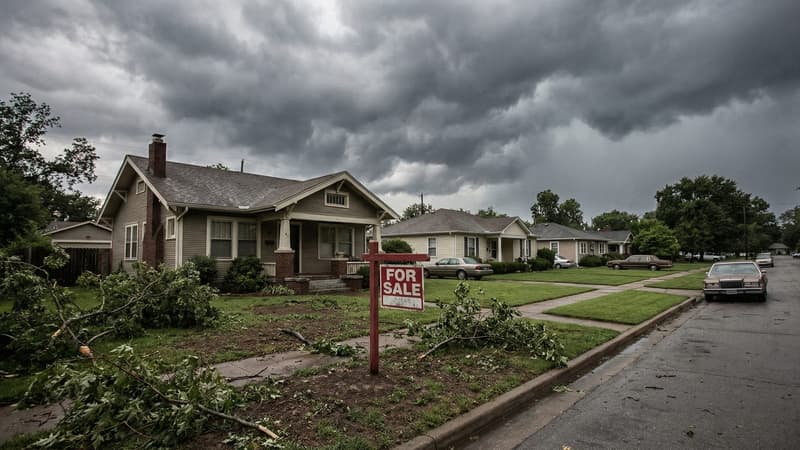
Home insurance costs are up 46% since 2021, with 13.6% of U.S. homes now uninsured. California's Proposition 103 shows exactly how price regulation destroys markets.
-

The Senate passed the 21st Century ROAD to Housing Act 89-10. The supply provisions are real. The institutional investor ban targets the wrong problem. Here's the data.
-
Policy Analysis
The Wall Street Landlord Myth: How Misidentifying the Villain Prolongs the Housing Crisis
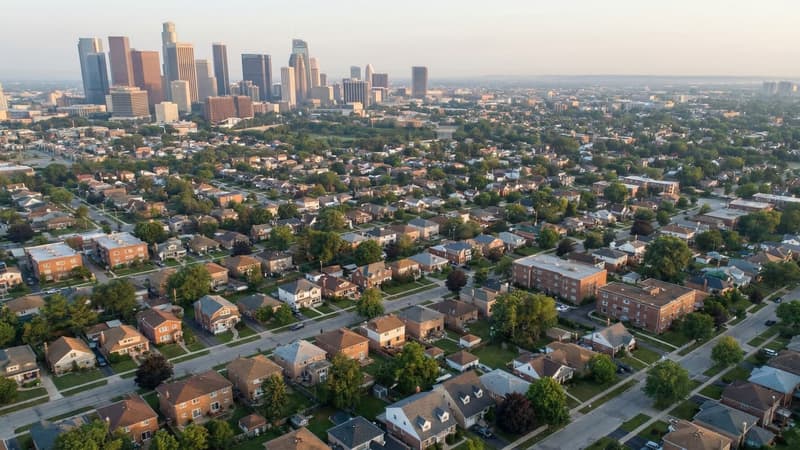
Institutional investors own under 1% of single-family homes. Congress targets the wrong culprit while a 4-million-unit housing supply deficit grows.
-
Policy Analysis
CEQA at 54: How California's Environmental Law Became the Nation's Most Powerful Anti-Housing Weapon
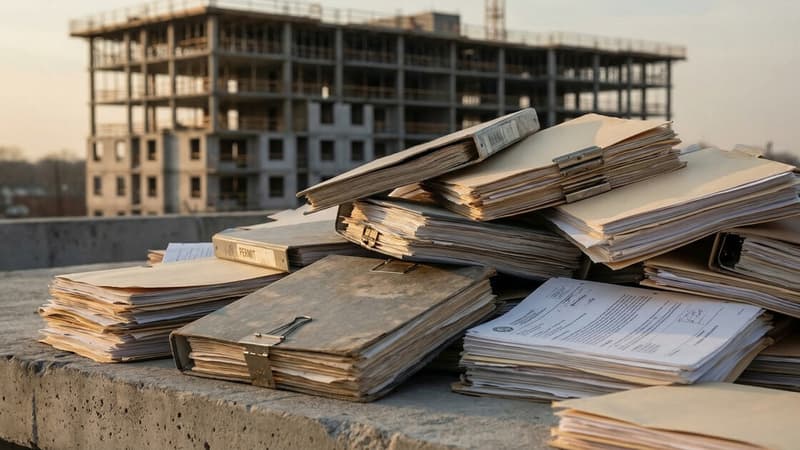
California's CEQA was designed to protect the environment. Instead, it became a litigation tool for NIMBYs and competitors to veto housing.
-
Policy Analysis
The Airbnb Scapegoat: Why Short-Term Rental Bans Cannot Fix America's Housing Affordability Crisis

NYC banned short-term rentals, Airbnb listings fell 90%, yet rents still rose 2.1%. The data is unambiguous: STR bans target a symptom while ignoring the 3.7-million-unit supply deficit.
-
Policy Analysis
The Demand Trap: How Down Payment Subsidies Inflate the Housing Prices They Promise to Fight
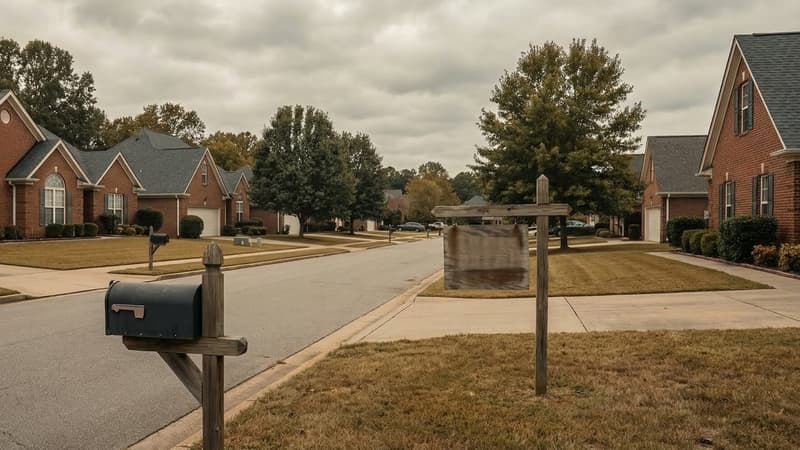
Research shows a $25,000 down payment subsidy would raise home prices 4.1%, costing buyers $177B while delivering only $100B in benefits. Friedman's logic explains why.
-
Policy Analysis
The Green Code Tax: How Federal Energy Mandates Are Pricing First-Time Buyers Out of New Homes
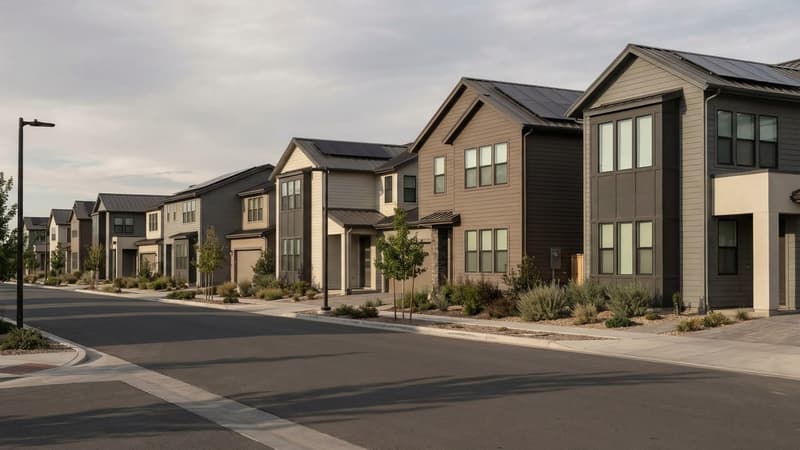
Federal energy mandates under the 2021 IECC add up to $31,000 to every new home, with payback periods as long as 90 years for buyers least able to afford it.
-
Policy Analysis
Built to Cost More: How the Davis-Bacon Wage Mandate Prices Affordable Housing Out of Reach
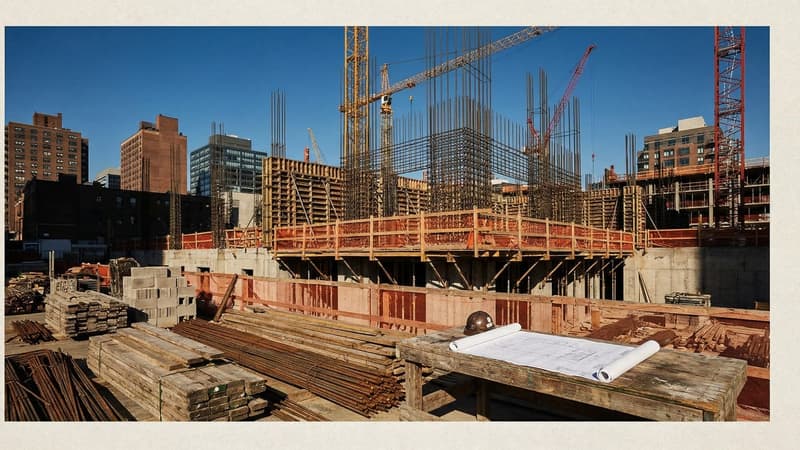
The 1931 Davis-Bacon Act forces federally funded construction to pay wages 22% above market rates, directly inflating the cost of every affordable housing unit government funds.
-
Policy Analysis
The Lawsuit Tax on Starter Homes: How Construction Defect Liability Laws Gutted the Condo Market
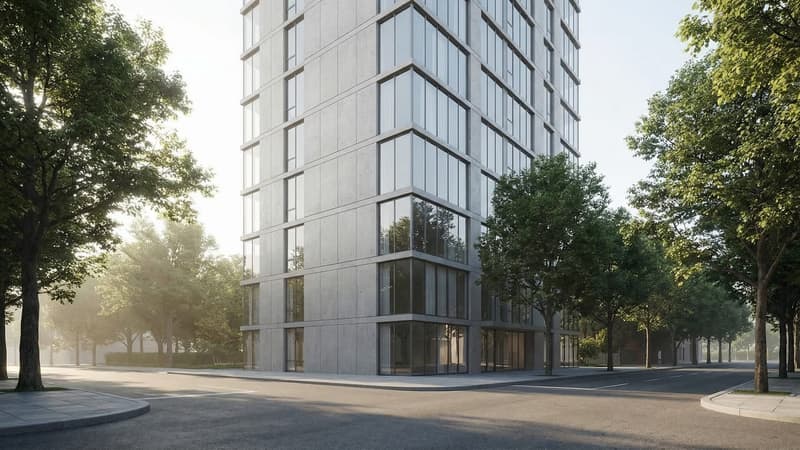
Construction defect liability laws have triggered a 90% collapse in California condo production and eliminated 84% of Colorado's condo developers. The data shows exactly who pays the price.
-
Policy Analysis
The LIHTC Illusion: How America's $13.5 Billion "Affordable Housing" Subsidy Builds Homes No Poor Family Can Afford
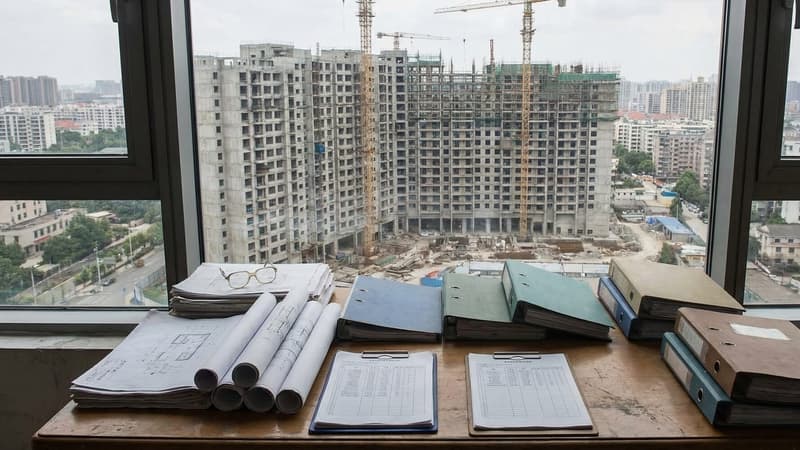
The federal Low-Income Housing Tax Credit costs $13.5 billion a year yet produces units priced at $480,000 each in California. A free-market analysis of why the program enriches developers, not tenants.
-
Policy Analysis
The Tariff Tax on Housing: How Trade Protectionism Inflates the Cost of Every New Home

Building material costs rose 41.6% since the pandemic. Lumber tariffs now exceed 45% on Canadian imports. Tariffs add $10,900 to every new home — a hidden tax on America's housing shortage.
-
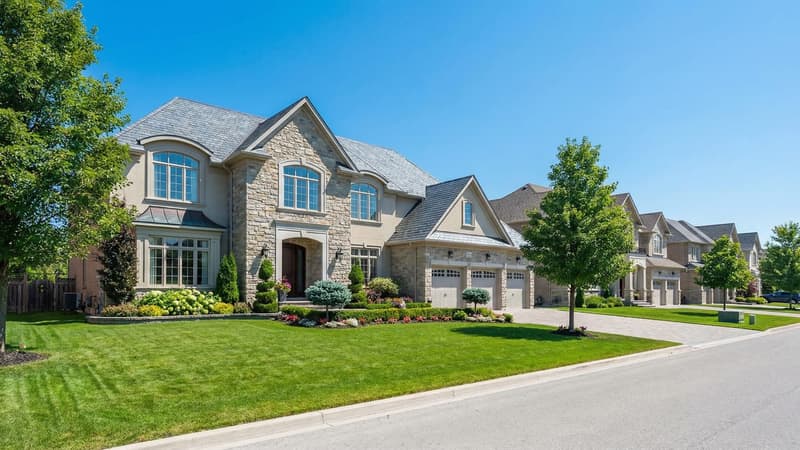
The mortgage interest deduction costs taxpayers $30 billion annually but primarily benefits high-income homeowners. Research shows it doesn't increase homeownership. It increases home prices.
-
Policy Analysis
The Impact Fee Trap: How Local Government Levies Are Pricing First-Time Buyers Out of New Homes
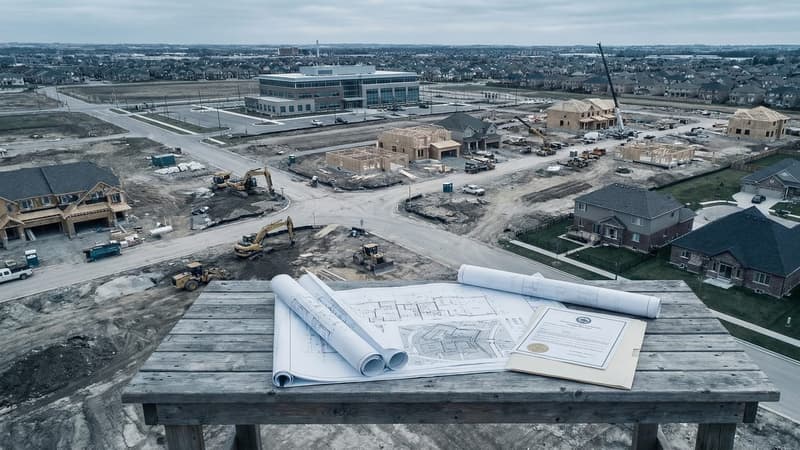
The average impact fee hit $16,394 per new home in 2024, adding nearly $20,000 to the purchase price and pricing out millions of first-time buyers. A free-market analysis of a hidden housing tax.
-

How Fannie Mae and Freddie Mac's government-backed mortgage guarantees inflate housing demand, socialize risk, and drive up home prices while taxpayers bear the downside.
-
Policy Analysis
The Section 8 Paradox: How Housing Vouchers Inflate the Rents They're Meant to Subsidize
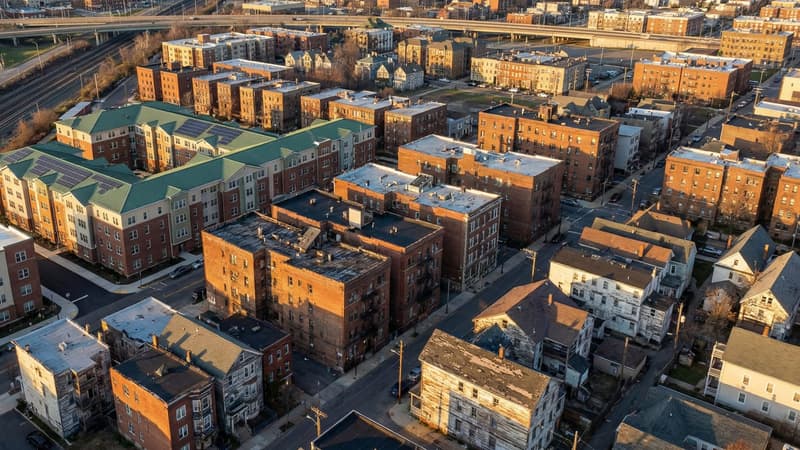
The Section 8 voucher program spends $30B+ annually yet inflates rents in low-income markets. A free-market analysis of demand-side housing subsidies.
-
Policy Analysis
The 30-Year Fixed Mortgage: How Government Engineered America's Housing Finance System — and Why It Failed

The 30-year fixed-rate mortgage is not a market invention. It's a New Deal government creation. Today it backs $13 trillion in debt and helps inflate the very prices it promised to lower. A free-market analysis.
-
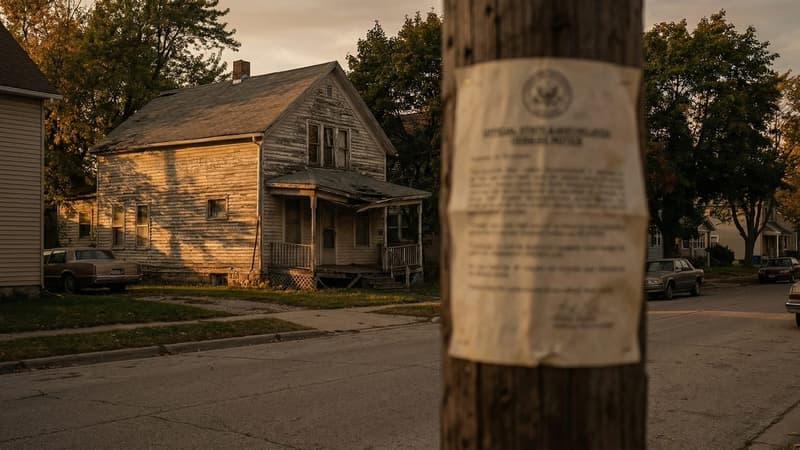
Proposition 13-style property tax assessment caps trap long-term homeowners in place, removing millions of homes from market circulation and driving up prices for everyone else.
-
Policy Analysis
The Hidden Tax on Housing: How Government Regulation Adds $93,870 to the Price of Every New Home
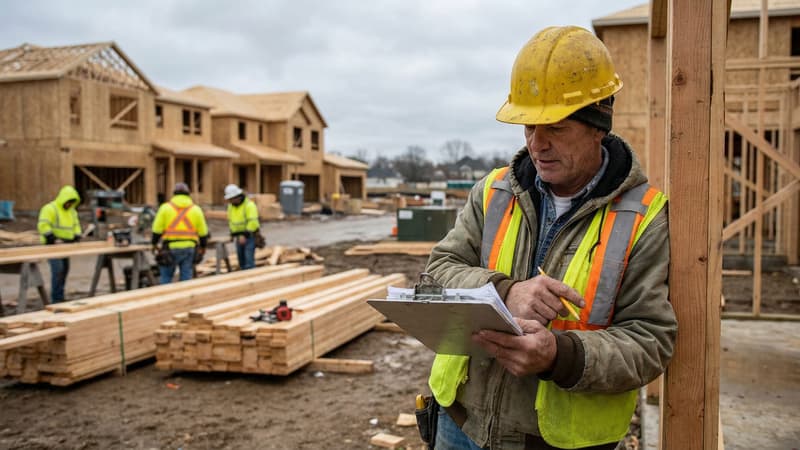
Government regulations at all levels add nearly $94,000 to the price of a new home and over 40% to apartment costs. The data is unambiguous — the regulatory burden is a key driver of the housing affordability crisis.