
Topic
Monetary Policy
The Federal Reserve's interest-rate and balance-sheet decisions ripple straight into home prices and mortgage affordability. Our monetary-policy coverage examines how low rates and quantitative easing inflate real-estate assets beyond what wages support, and how rate shocks reshape the housing market. We read all of it through the lens of sound-money economics.
-
Monetary Policy
The Payment Shock Pipeline: How Zero-Rate Policy Pulled Housing Demand Forward and Locked Out Today’s Buyers
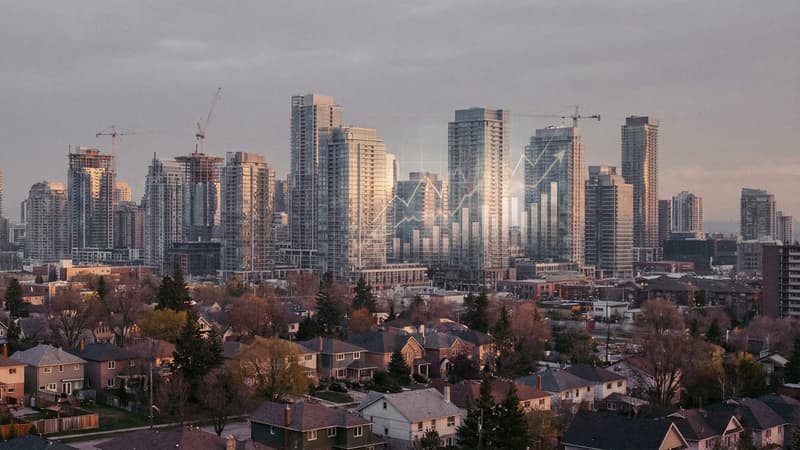
Fed-era ultra-low rates pulled housing demand forward, lifted home prices 53.8% since 2020, and left today’s buyers facing far higher monthly payments at 6%+ mortgage rates.
-
Monetary Policy
$700 Billion in Housing Wealth Just Evaporated — and Buyers Still Can't Afford a Home
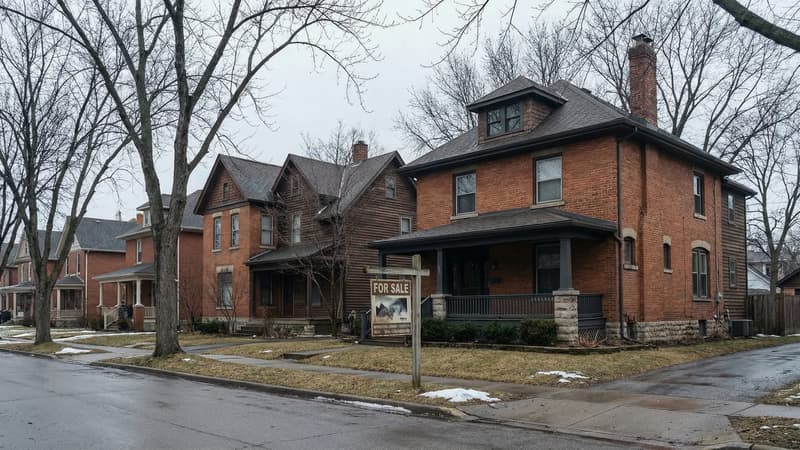
The Fed's Z.1 data shows household real estate assets fell $700B over two quarters to $47.9T. Mortgage debt hit a record $13.8T. Yet buyers remain locked out at 6% rates.
-
Monetary Policy
The Fed's Rate Trap: How Zero-Interest Policy Locked Millions Out of the Housing Market
The Federal Reserve's pandemic-era rate manipulation created a mortgage lock-in crisis. FHFA data show 1.72 million 'missing' home sales. Here's how central bank policy froze supply.
-
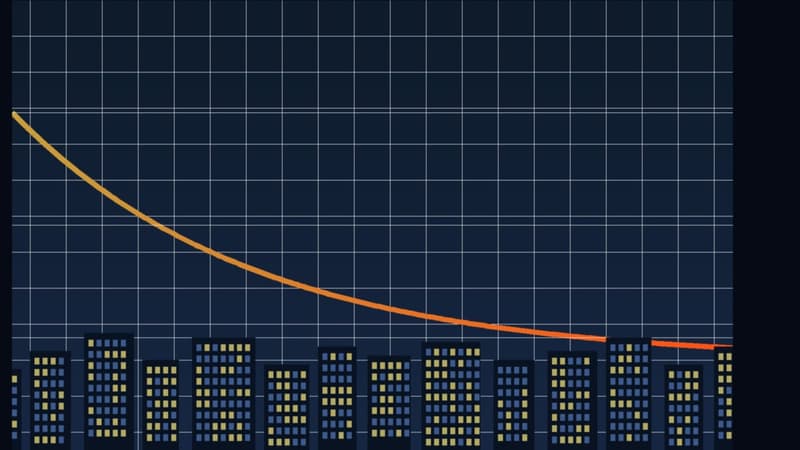
Since 2020, inflation has eroded 26% of the dollar's purchasing power while home prices rose 47%. Friedman called inflation 'taxation without legislation' — a hidden tax on homebuyers.
-
Monetary Policy
Quantitative Easing and Home Prices: The $8 Trillion Experiment
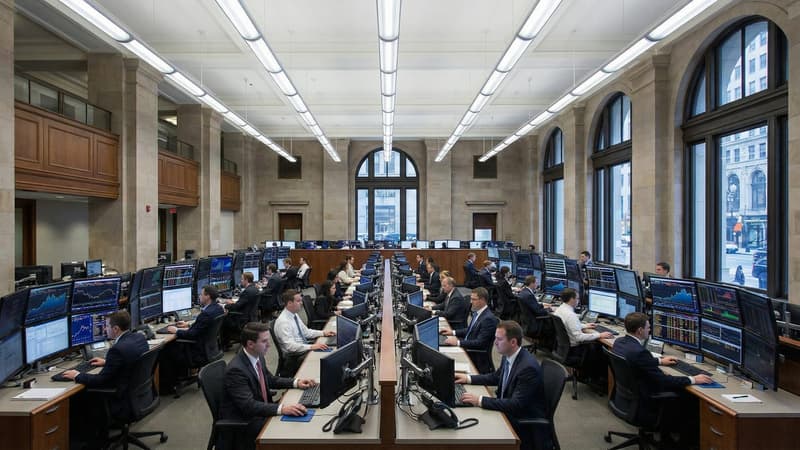
How the Federal Reserve's quantitative easing programs — $8 trillion in bond purchases including mortgage-backed securities — directly inflated home prices and distorted housing markets.
-
Monetary Policy
How the Federal Reserve Created the Housing Affordability Crisis

Analysis of how Federal Reserve monetary policy — low interest rates, quantitative easing, and money supply expansion — inflated home prices and created today's housing affordability crisis.
-
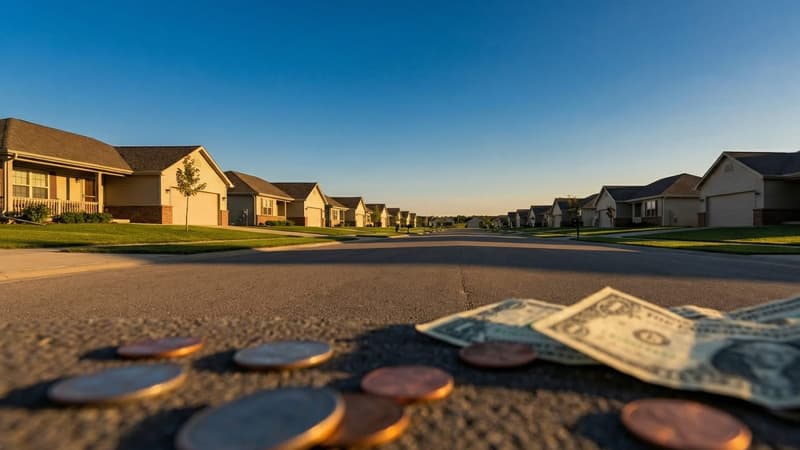
When the Federal Reserve held rates near zero for over a decade, it did more than stimulate the economy. It inflated a housing bubble that priced an entire generation out of homeownership.