Recent Analysis

Modern multi-story apartment building facade at dusk with illuminated windows
Market Data

The Housing Inflation Trap: How Shelter CPI's Grip on the Numbers Is Keeping the Fed's Hands Tied

Shelter CPI rose 3.0% in February 2026 — the single biggest driver of inflation. The OER lag keeps the Fed from cutting rates. Only supply breaks the cycle.

·7 min
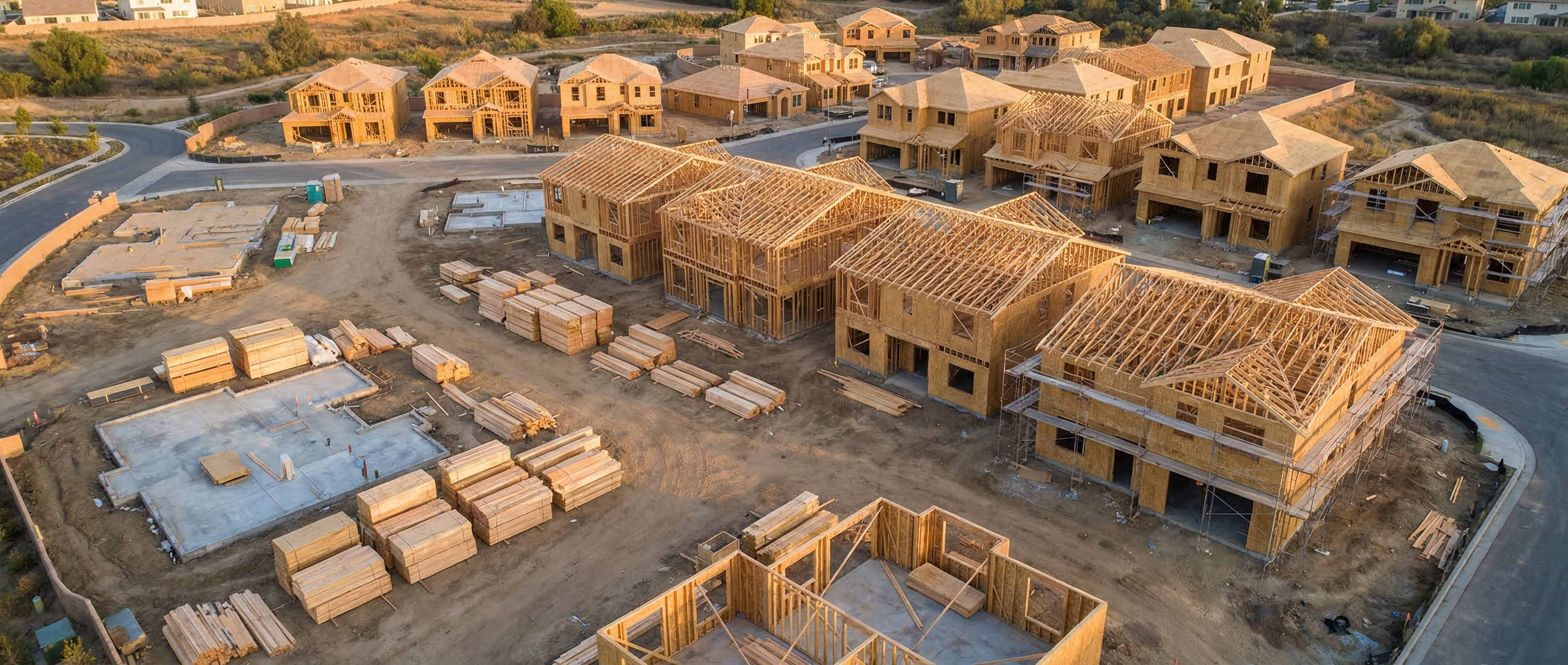
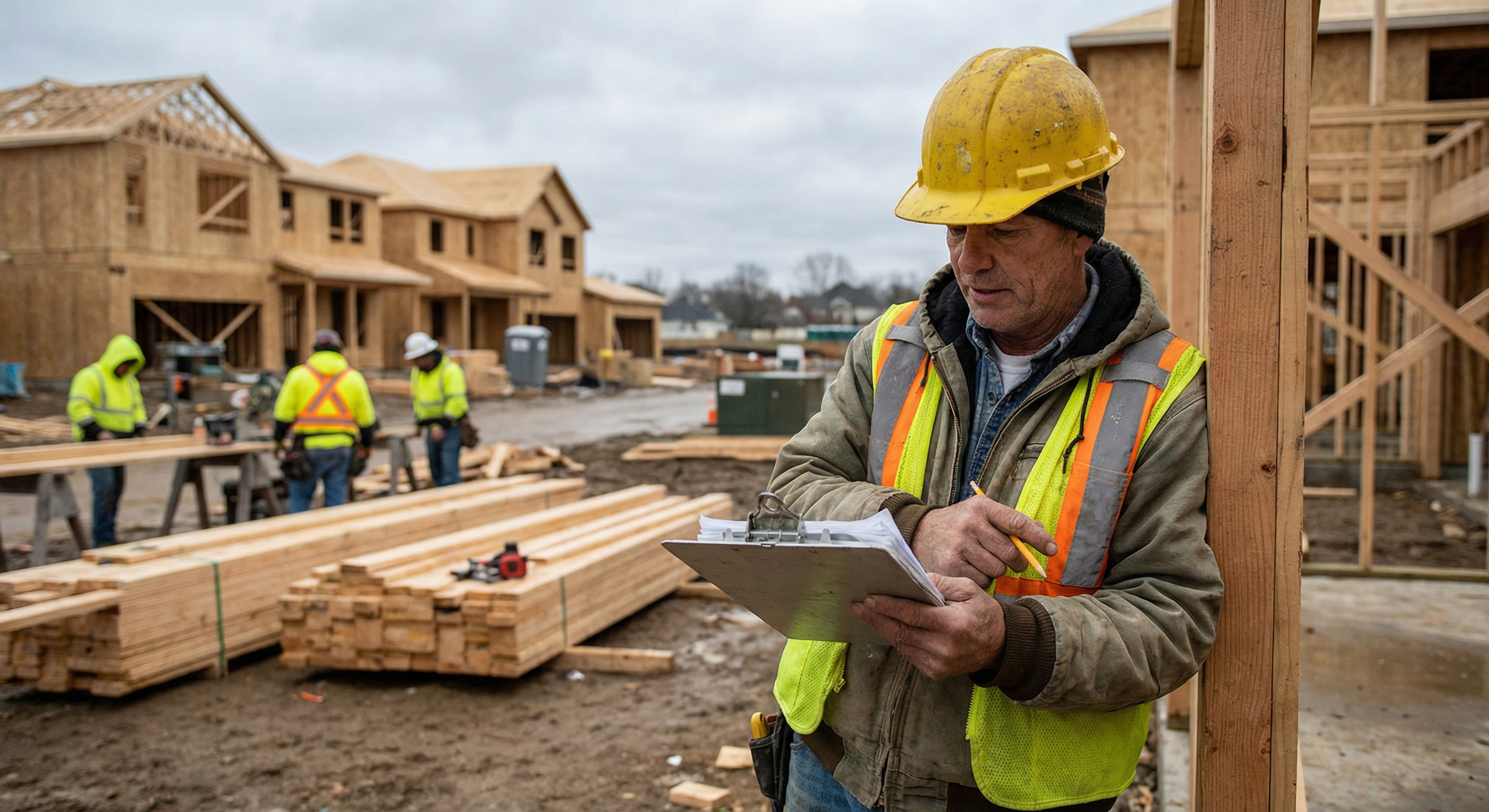
Residential housing construction site with wood-framed homes under a late-afternoon sky
Market Data

Friday Market Recap — March 13, 2026: Rates Rebound, Tariffs Hit, and the Spring Market Faces a Dual Squeeze

30-year rate rebounded to 6.11% after a brief sub-6% window. Tariffs added $10,900+ per new home. Permits fell 5.8% YoY. Full weekly data dashboard with free-market analysis.

·10 min
Empty city apartment building facade with rows of windows and a quiet residential street below at dusk
Policy Analysis

The Airbnb Scapegoat: Why Short-Term Rental Bans Cannot Fix America's Housing Affordability Crisis

NYC banned short-term rentals — Airbnb listings fell 90% — yet rents still rose 2.1%. Against a 3.7-million-unit housing shortage, STR bans address a rounding error while ignoring the supply restrictions that created the crisis.

·5 min
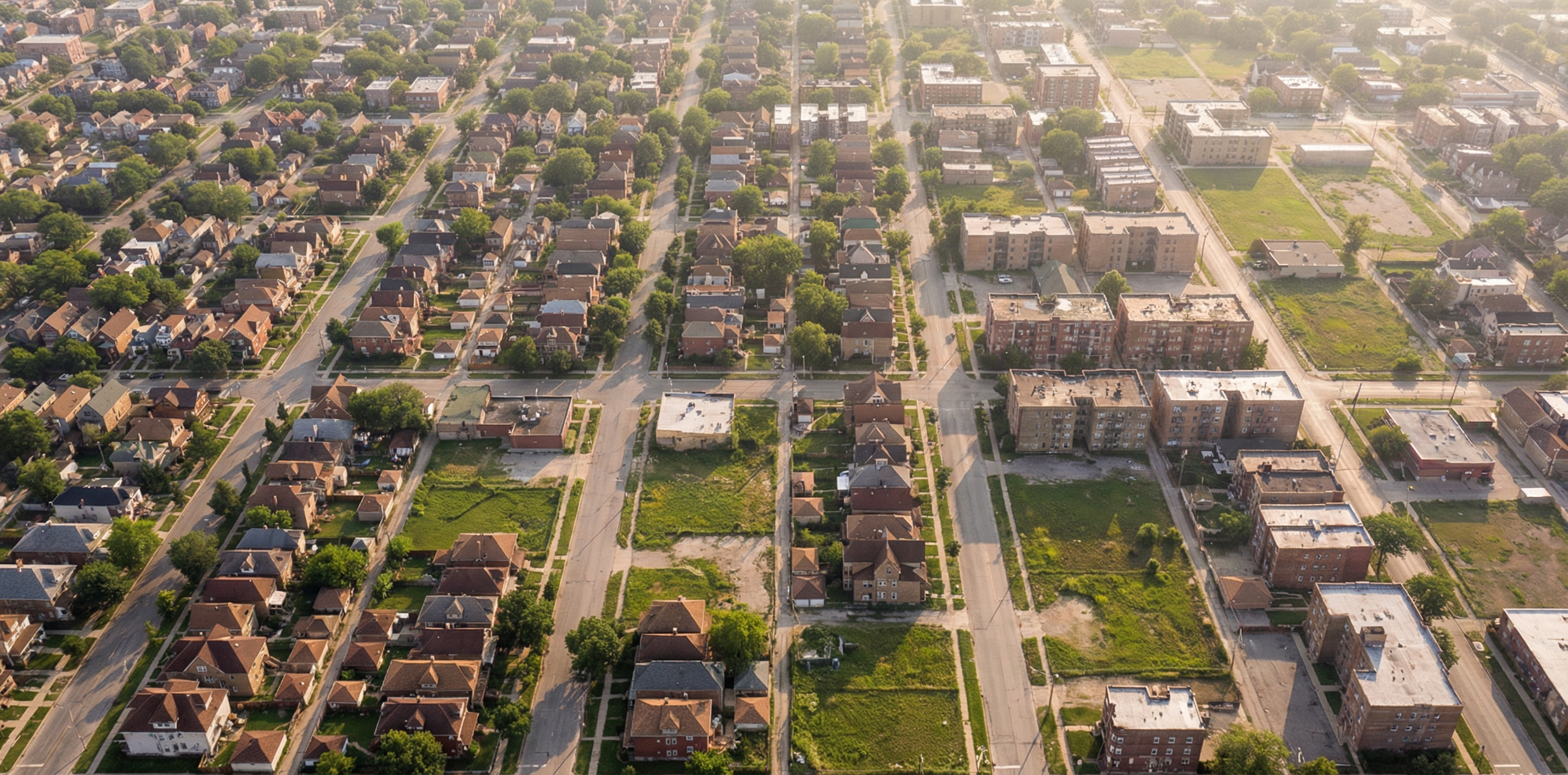
Dense urban residential neighborhood with a mix of housing types surrounded by undeveloped lots constrained by zoning restrictions
Zoning & Supply

The Zoning Tax: How Land-Use Regulations Silently Add $94,000 to Every New Home

America's hidden housing cost driver: a regulatory "zoning tax" that accounts for nearly 24% of every new home's price — or roughly $94,000 — per NAHB-NMHC research.

·5 min
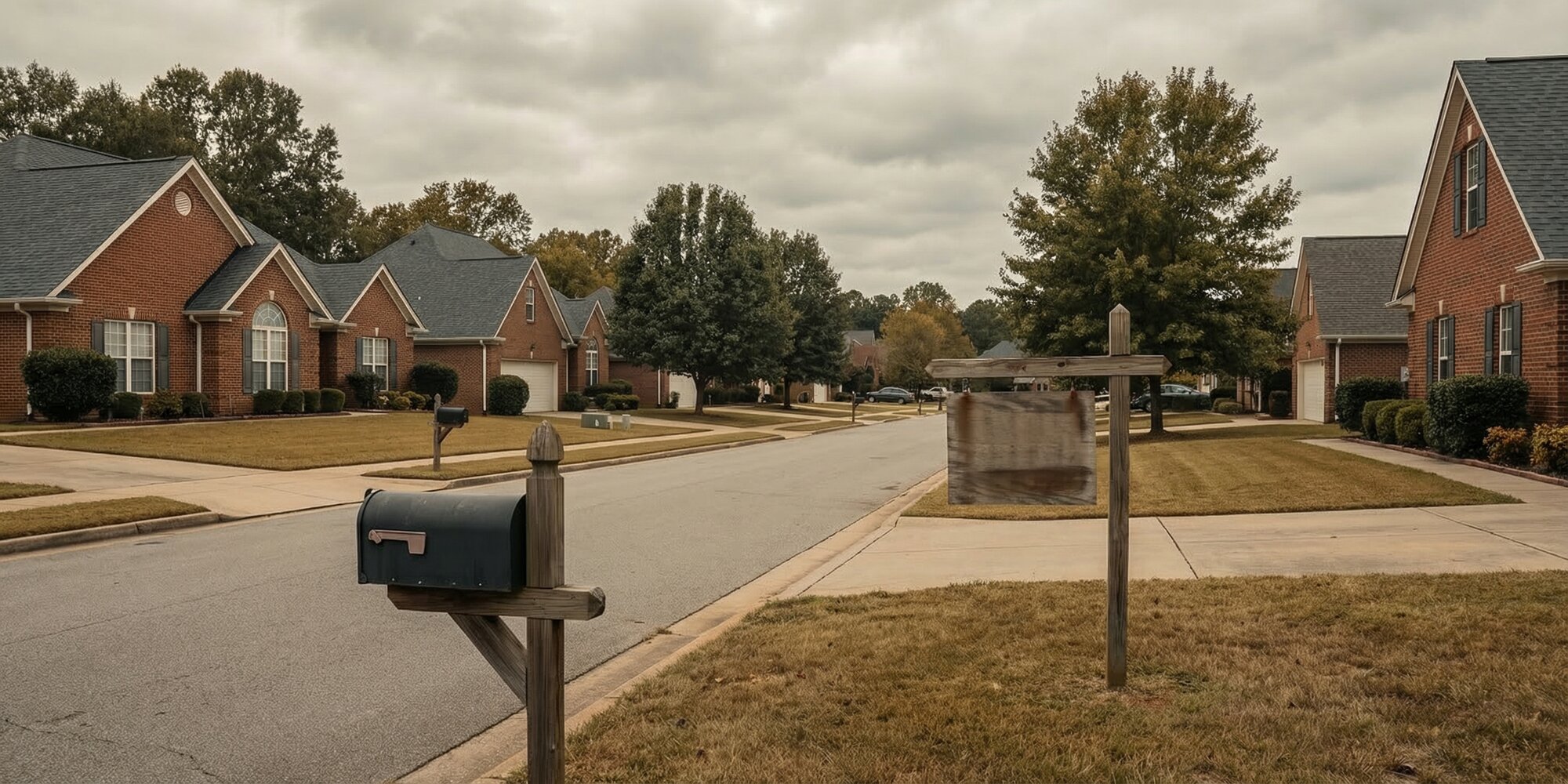
Row of traditional brick single-family homes with For Sale signs on a quiet American residential street
Policy Analysis

The Demand Trap: How Down Payment Subsidies Inflate the Housing Prices They Promise to Fight

The U.S. now operates 2,509 down payment assistance programs. Research shows they raise home prices 4.1% — costing buyers $177B while delivering only $100B in benefits.

·5 min
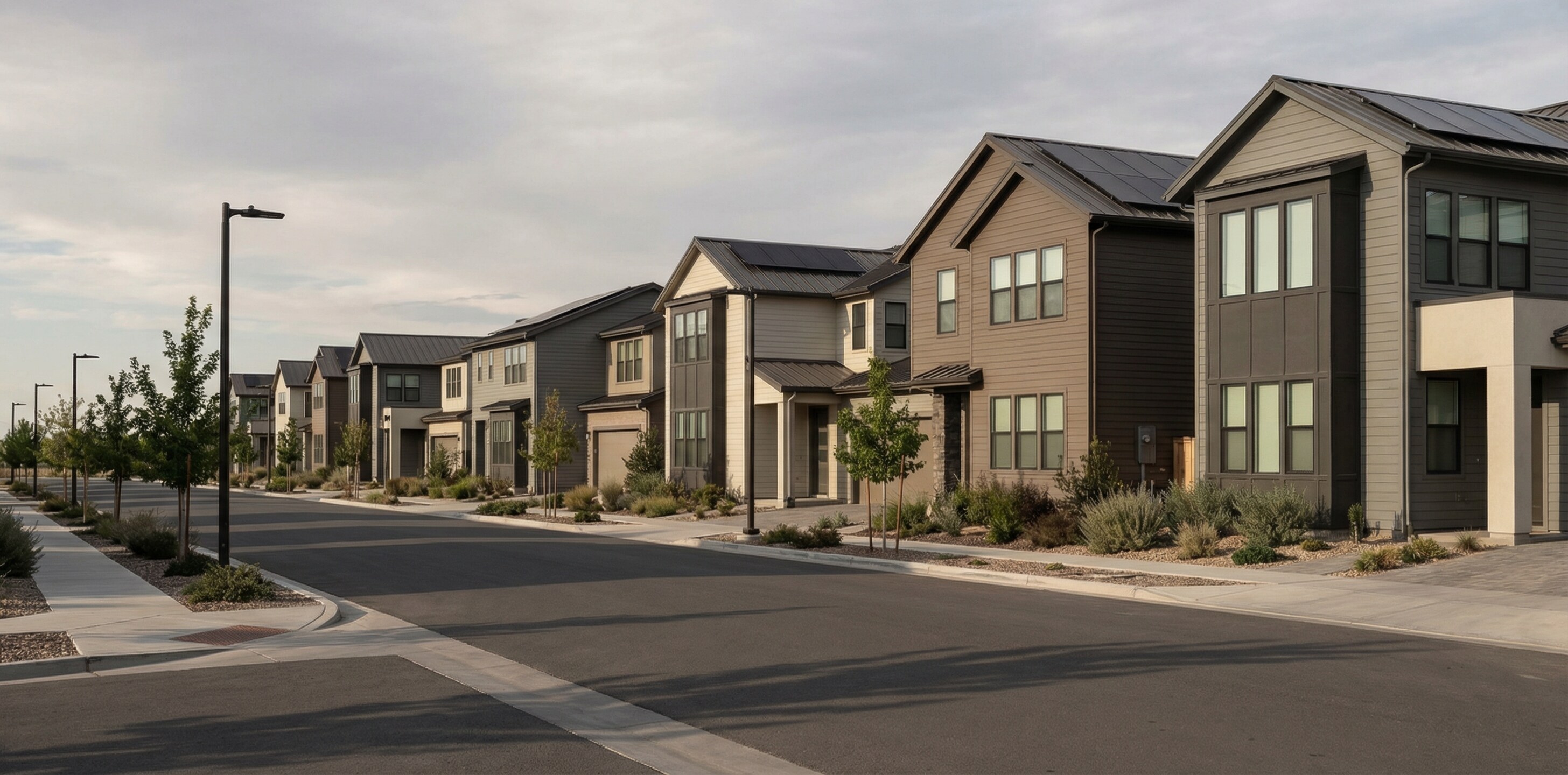
Modern residential neighborhood with solar panels and energy-efficient windows under a clear sky, representing building energy standards
Policy Analysis

The Green Code Tax: How Federal Energy Mandates Are Pricing First-Time Buyers Out of New Homes

Federal energy mandates under the 2021 IECC add up to $31,000 to every new home's price — with payback periods as long as 90 years for the buyers least able to afford it.

·5 min
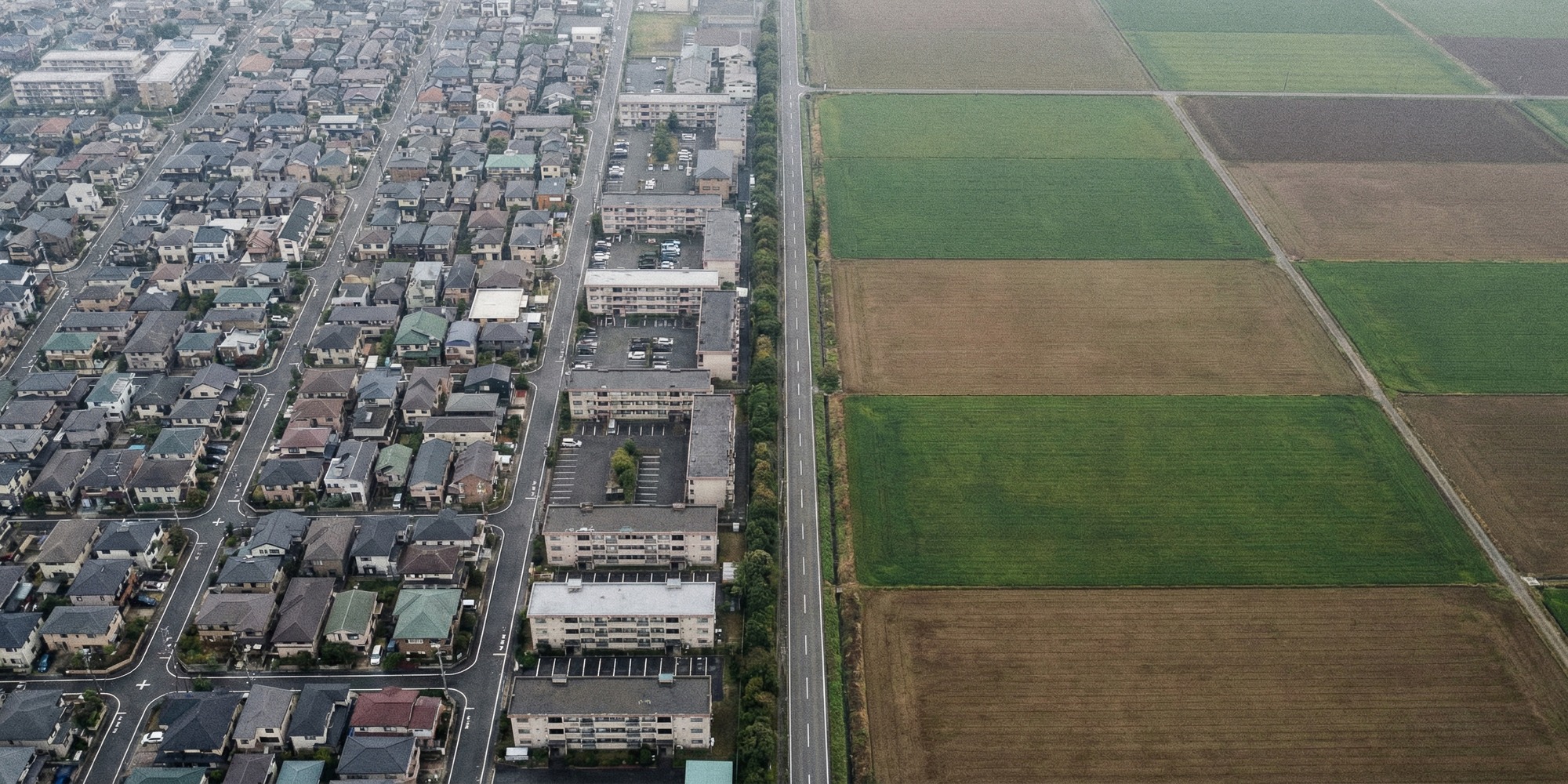
Aerial view of a dense urban district with compact housing blocks meeting open farmland at a sharp boundary line
Zoning and Supply

The Urban Growth Boundary Trap: How Planning Lines Price Americans Out of Homeownership

Oregon's UGB turned developable land into a rationed commodity. Fifty years later, Portland home values sit at $546,302 — a textbook illustration of Hayek's knowledge problem applied to housing.

·5 min
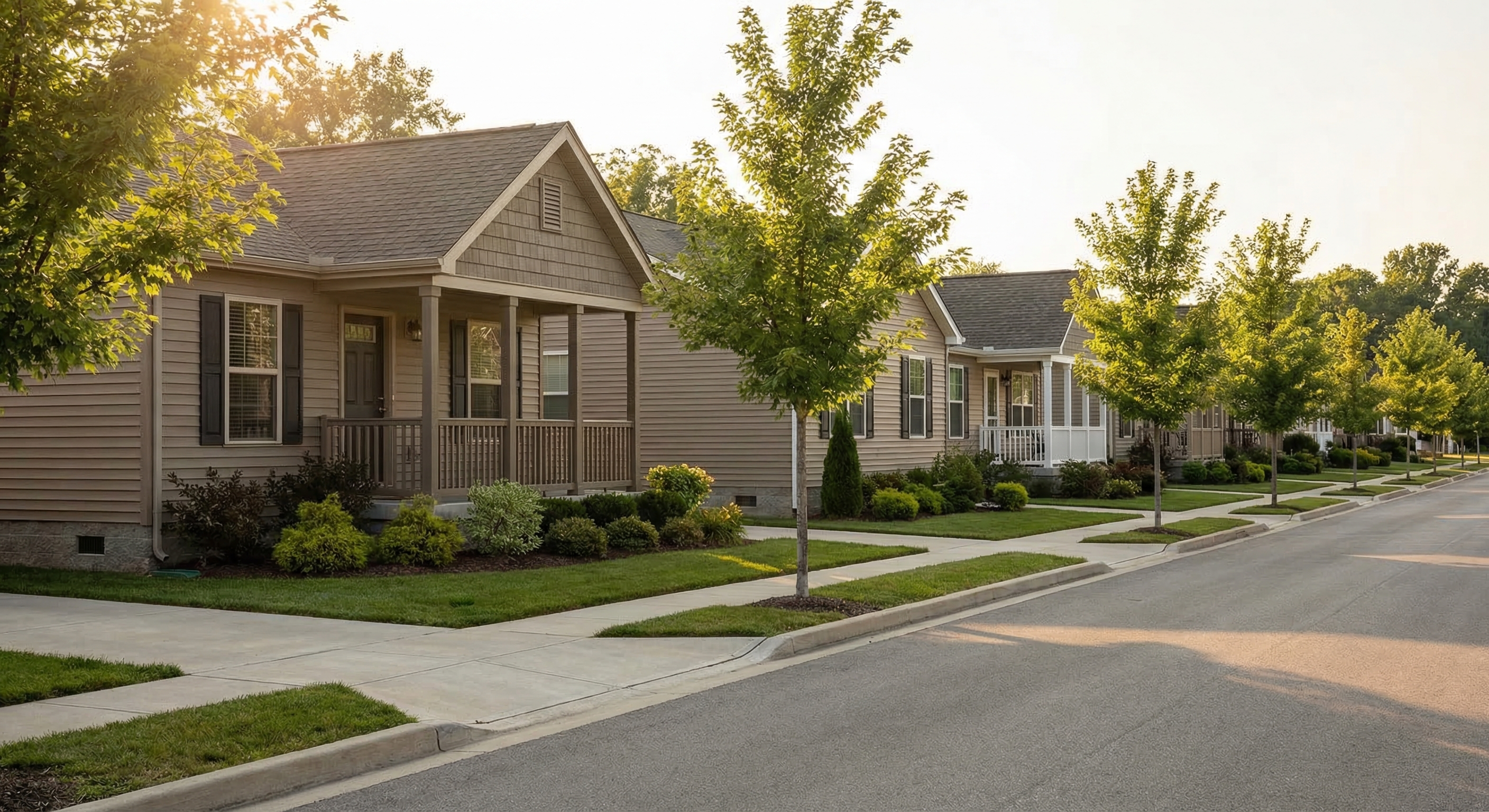
Modern manufactured homes with neat lawns and covered porches on a quiet residential suburban street in golden afternoon light
Zoning and Supply

The Market Solution They Won't Allow: How Regulations Suppress Manufactured Housing

Manufactured homes cost $87/sq ft versus $166 for site-built — half the price, federally certified, and banned from most residential land. The data on zoning exclusions and GSE financing gaps tells a damning story.

·5 min
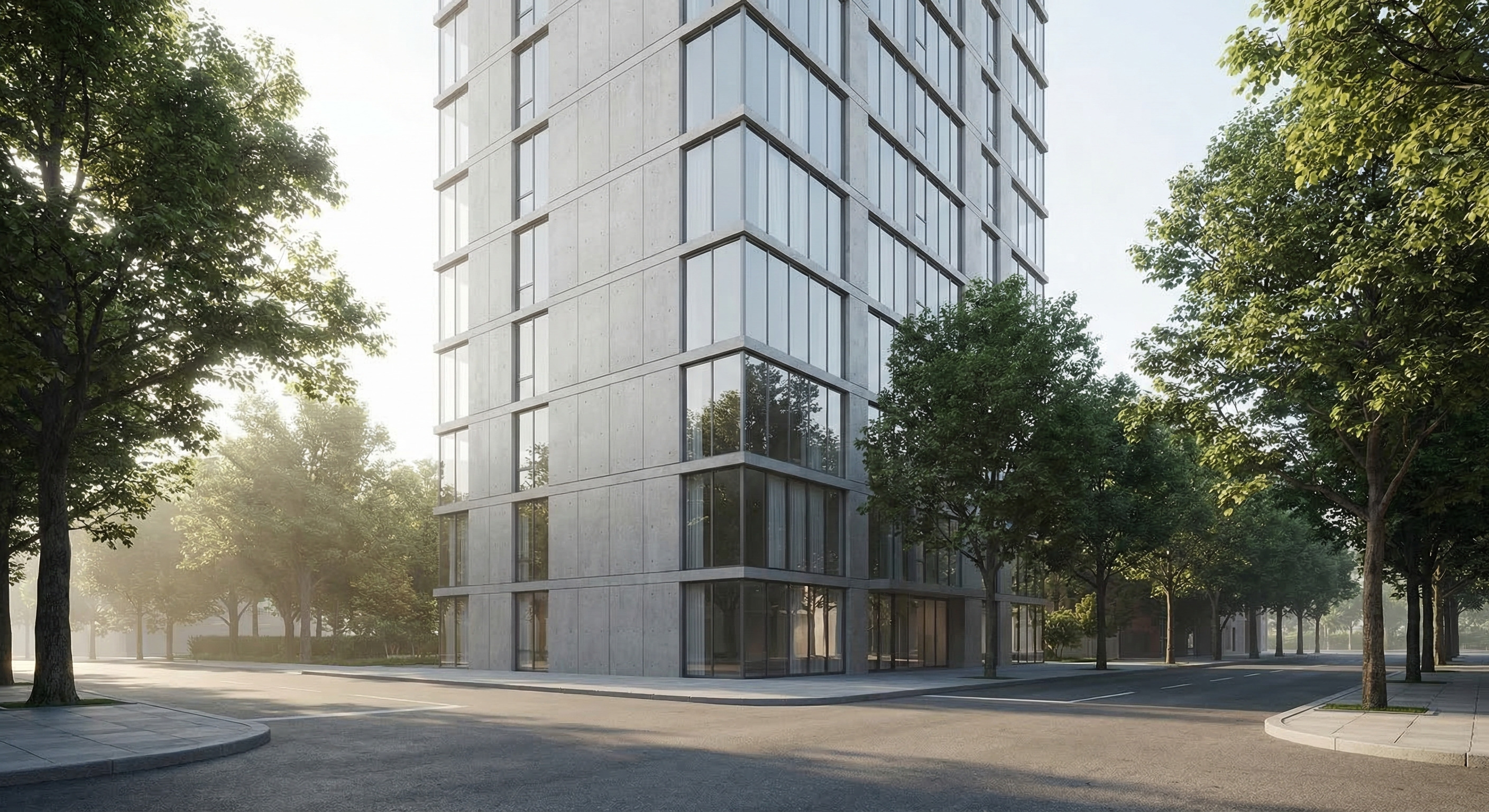
Modern multi-story condominium building exterior with glass and concrete facade on a tree-lined urban street in morning light
Policy Analysis

The Lawsuit Tax on Starter Homes: How Construction Defect Liability Laws Gutted the Condo Market

Construction defect liability laws triggered a 90% collapse in California condo production and eliminated 84% of Colorado's condo developers. The data shows exactly who pays the price.

·5 min
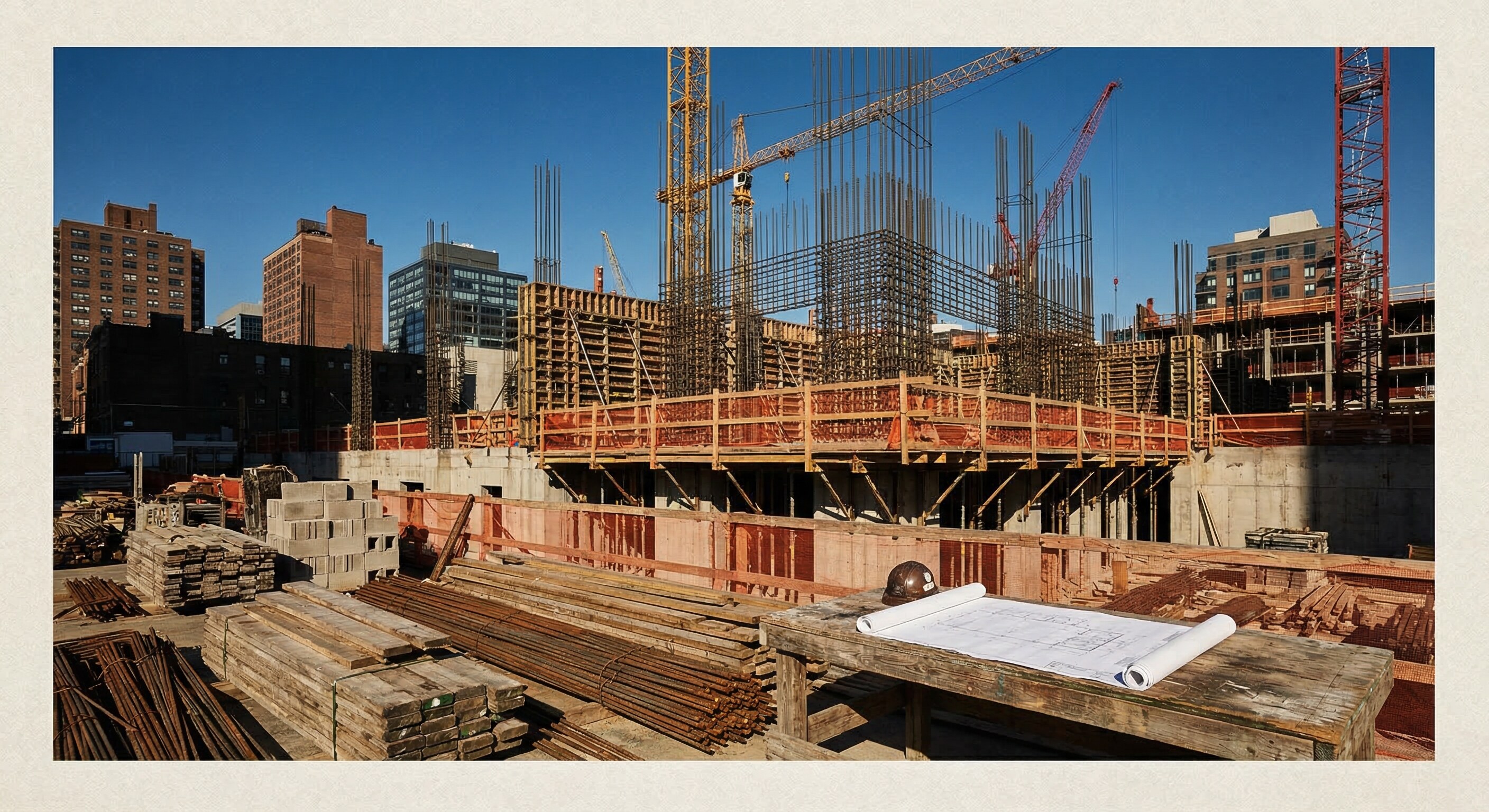
Large-scale apartment construction site with concrete foundations and steel framing, cranes and scaffolding against a blue sky
Policy Analysis

Built to Cost More: How the Davis-Bacon Wage Mandate Prices Affordable Housing Out of Reach

A 1931 wage law forces federally funded construction to pay 22% above market rates — inflating every affordable housing unit government tries to build.

·5 min
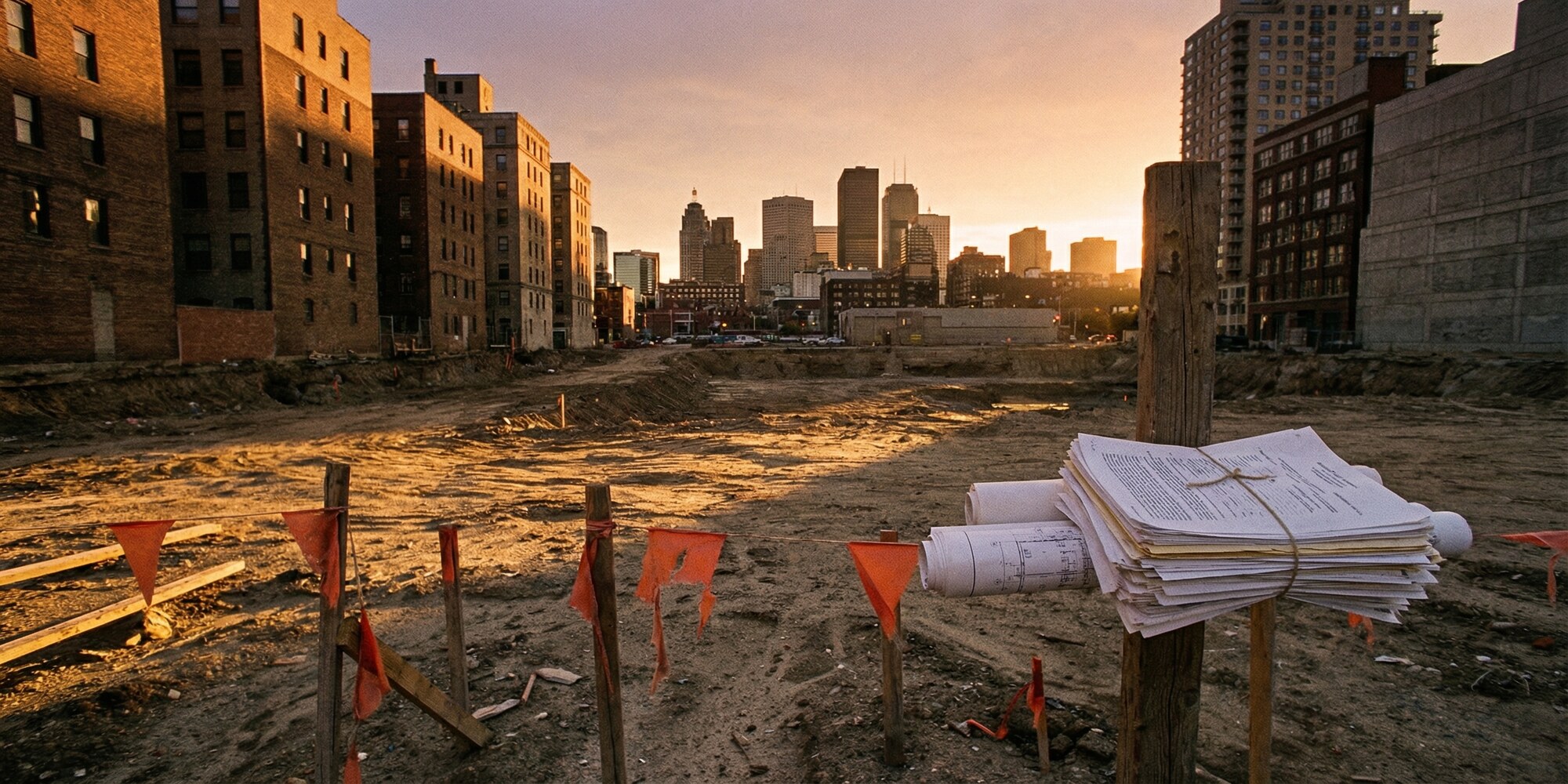
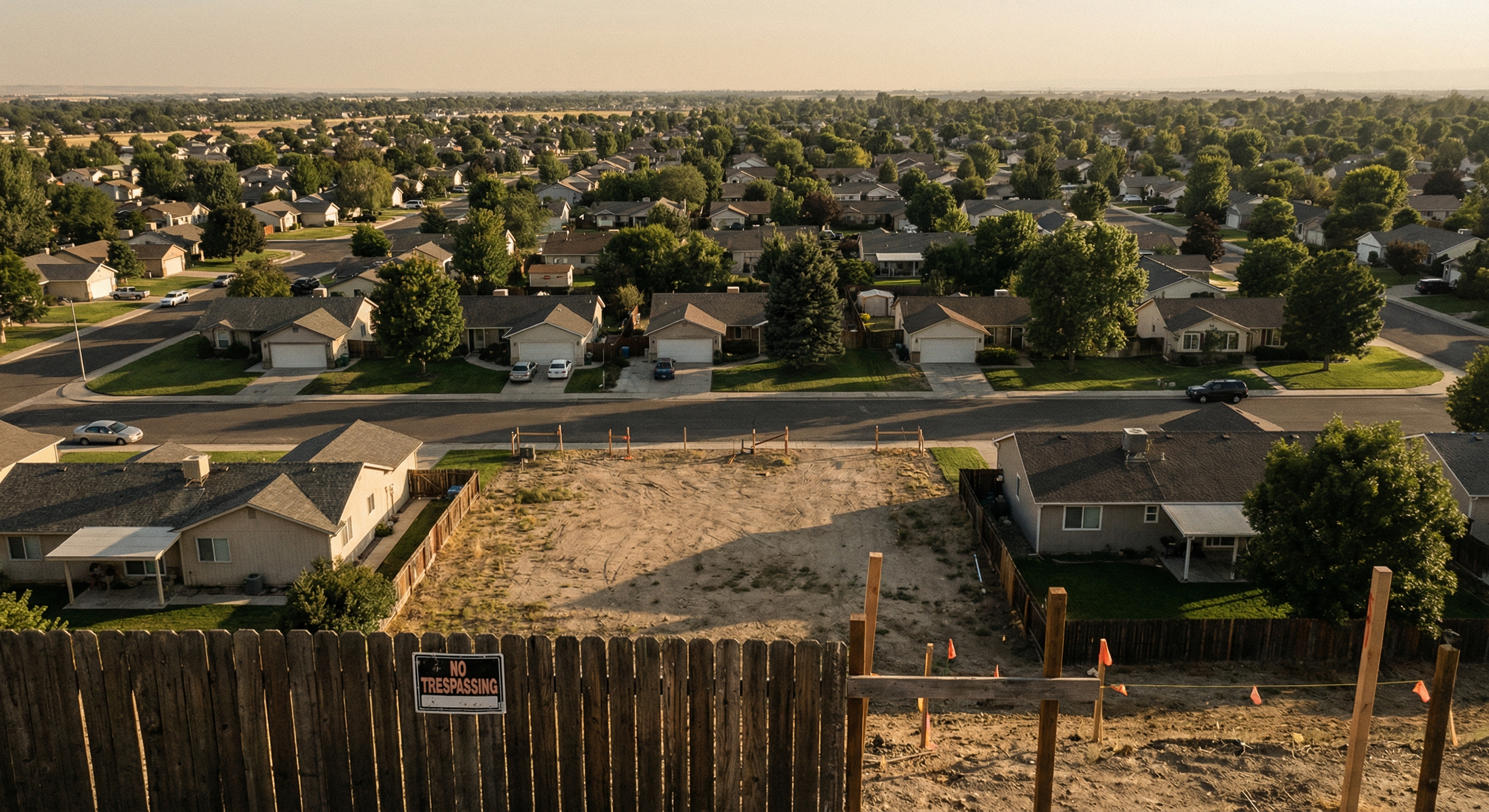
An empty urban development lot at golden hour surrounded by city buildings, with survey stakes and permit documents at the site boundary
Zoning & Supply

The Permitting Labyrinth: How Bureaucratic Delays Are Pricing Americans Out of New Homes

Government permits take 81% longer than the law allows. King County hit 1,557-day delays — burning $243,000 per project. Every cost passes directly to homebuyers.

·5 min
Stacks of dimensional lumber at a lumberyard with freight containers and industrial port infrastructure in the background
Policy Analysis

The Tariff Tax on Housing: How Trade Protectionism Inflates the Cost of Every New Home

Building material costs are up 41.6% since the pandemic. Lumber tariffs exceed 45%. Tariffs add $10,900 to every new home — a hidden tax on America's housing crisis.

·5 min
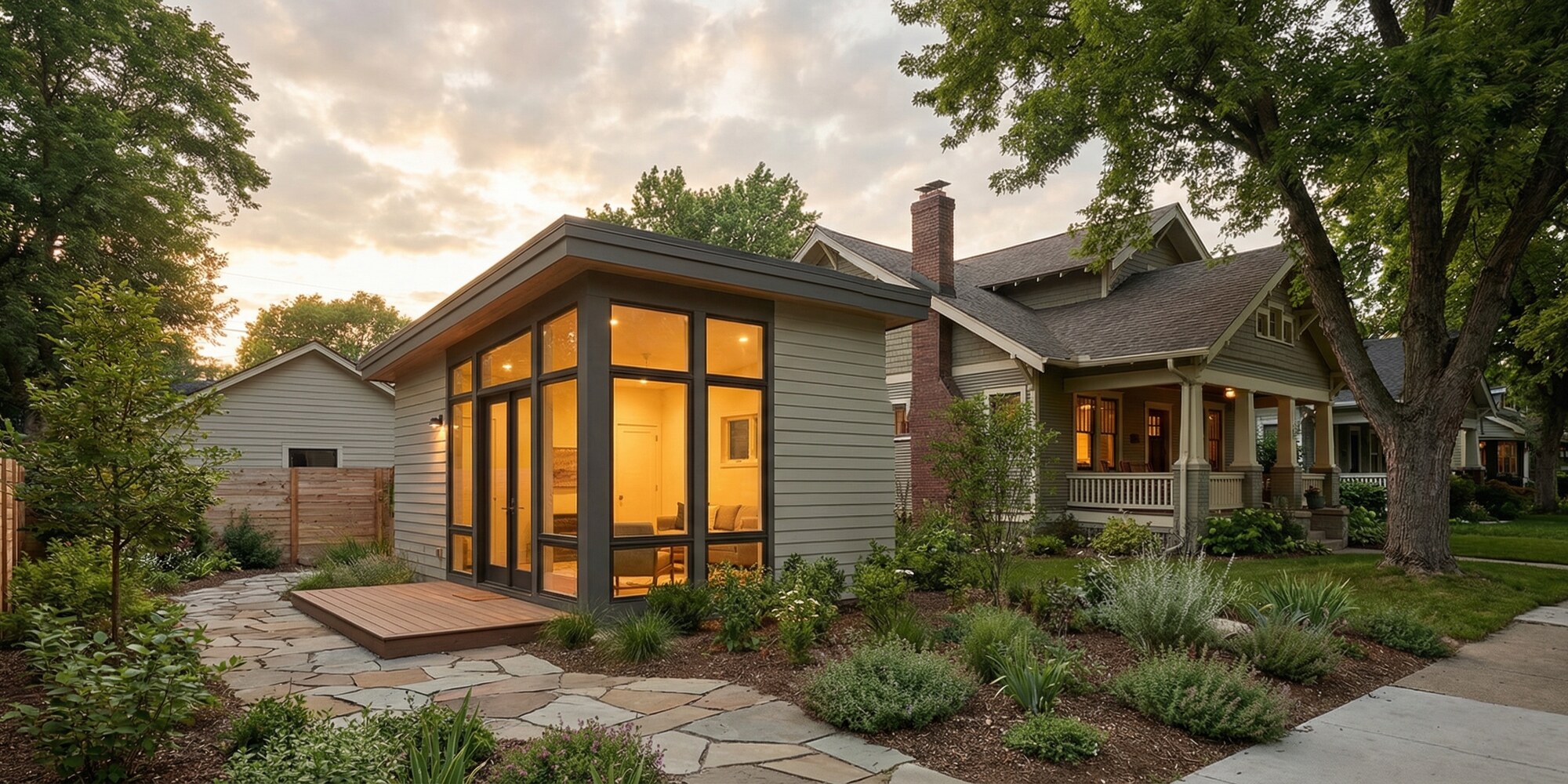
A detached backyard cottage with warm lighting adjacent to a main house in a residential neighborhood at dusk
Zoning & Supply

The Backyard Revolution: How ADU Deregulation Unlocked a Hidden Housing Supply

America's housing shortage sits at 3.7 million units. When California stripped ADU restrictions, permits surged 15,000% — proof that markets create supply when government steps aside.

·5 min read
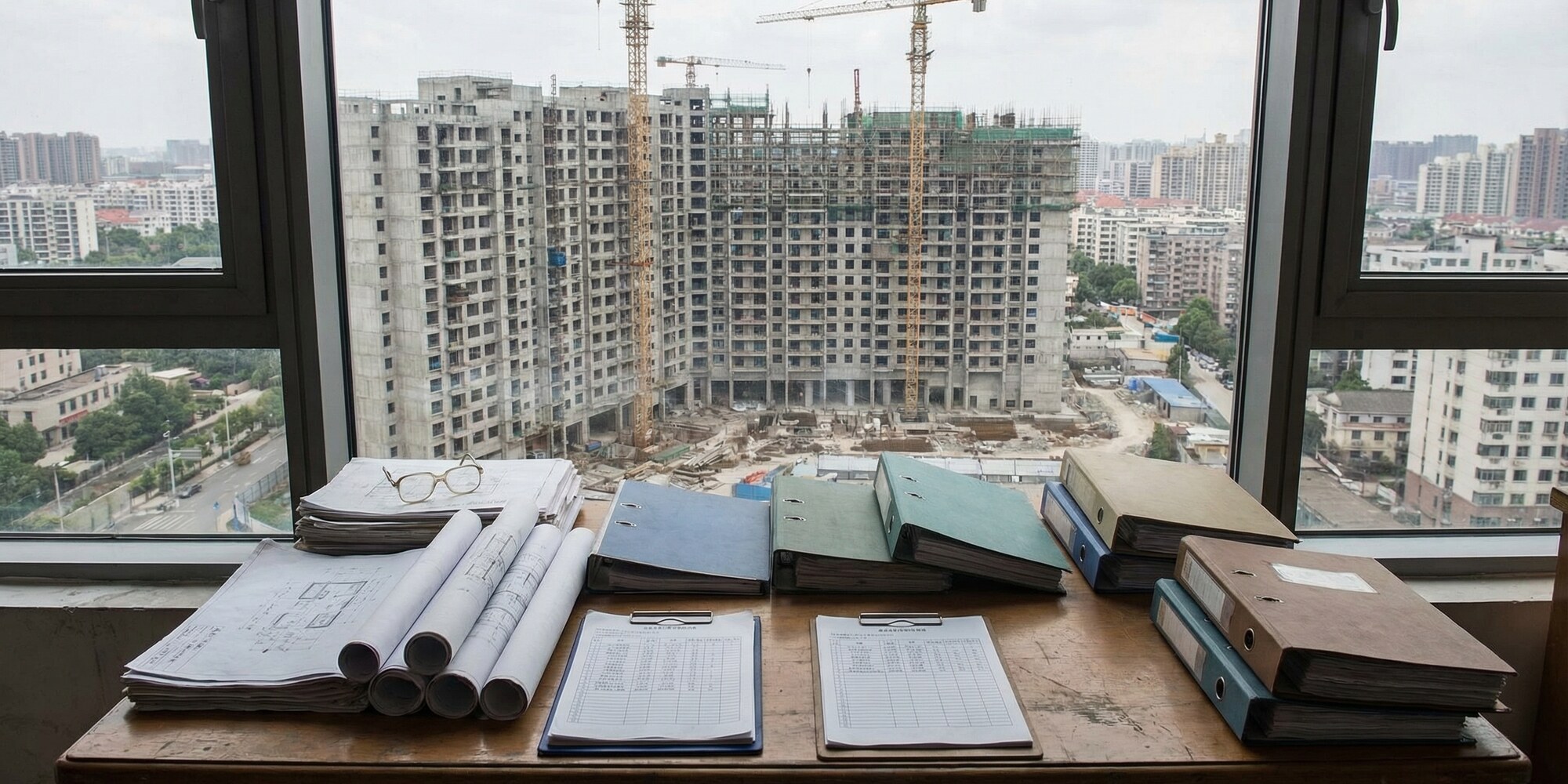
Affordable housing development complex under construction with stacked architectural cost estimate documents on a planning desk in a government office
Policy Analysis

The LIHTC Illusion: How America's $13.5 Billion "Affordable Housing" Subsidy Builds Homes No Poor Family Can Afford

The federal LIHTC program costs $13.5 billion a year, yet produces units averaging $480,000 each in California. Where does the money actually go?

·5 min read
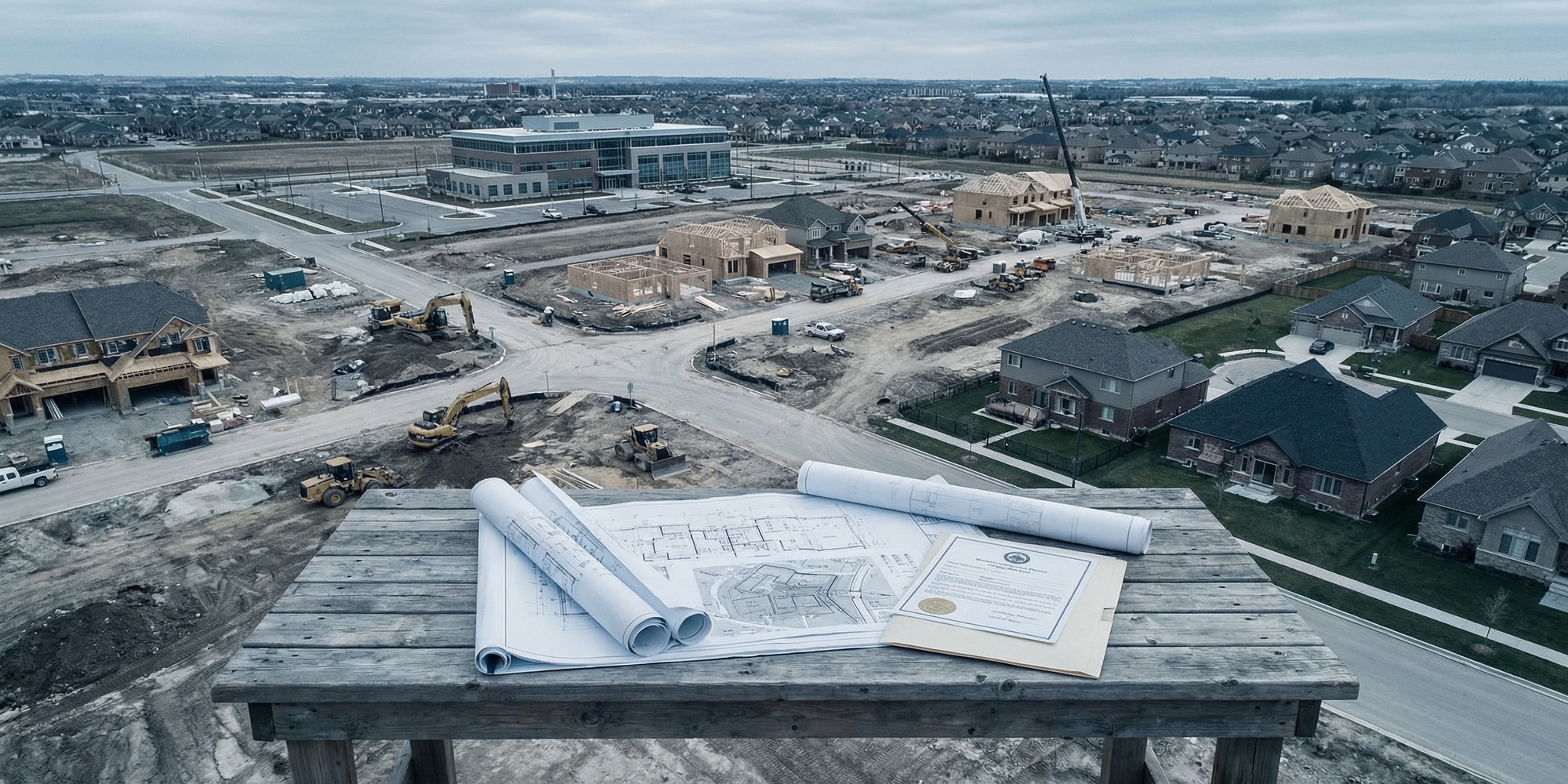
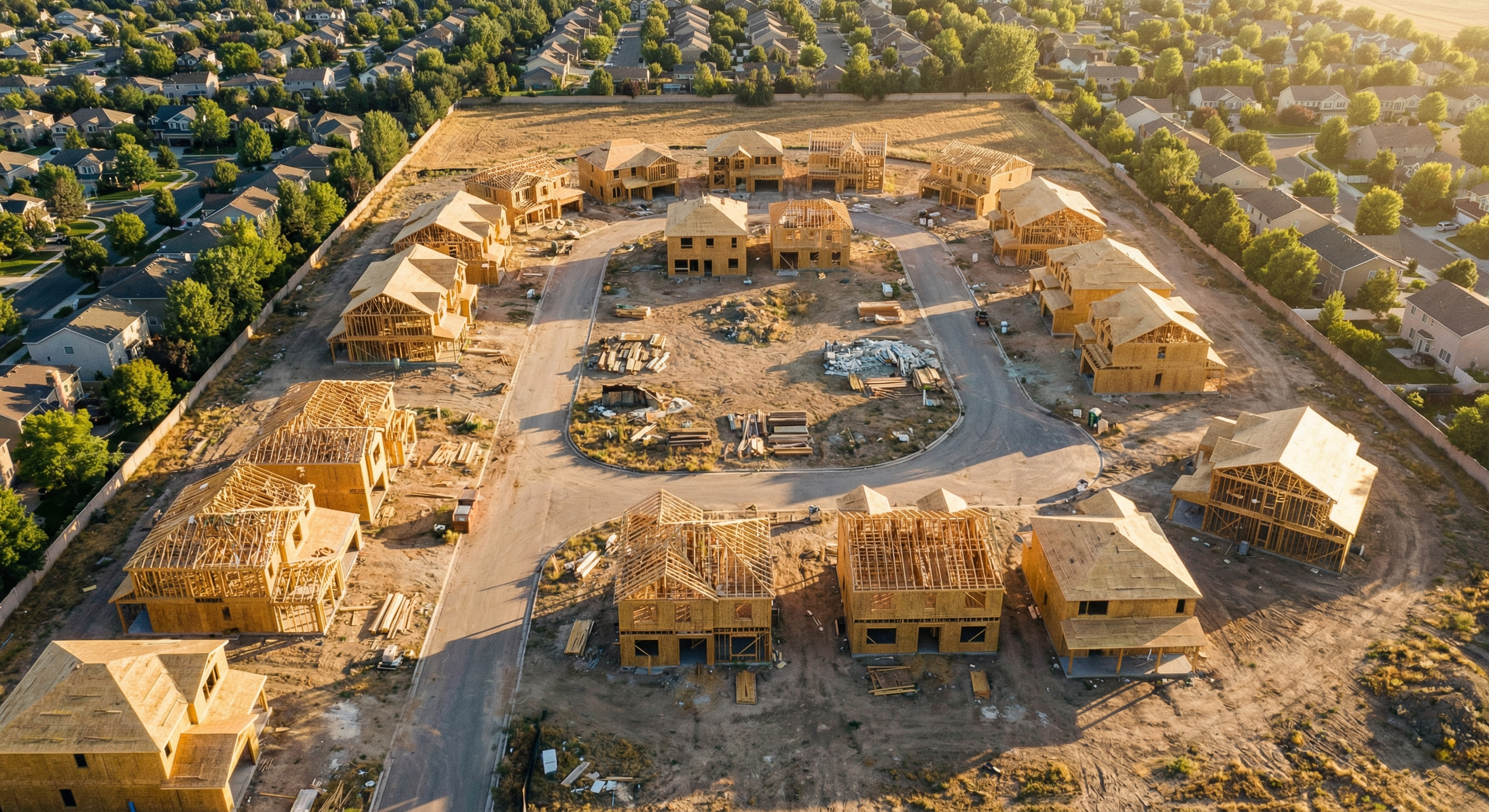
Aerial view of residential subdivision construction adjacent to municipal government building with permit documents
Policy Analysis

The Impact Fee Trap: How Local Government Levies Are Pricing First-Time Buyers Out of New Homes

The average impact fee hit $16,394 per new home in 2024 — adding nearly $20,000 to the purchase price. Over three million households priced out by a single government levy.

·4 min
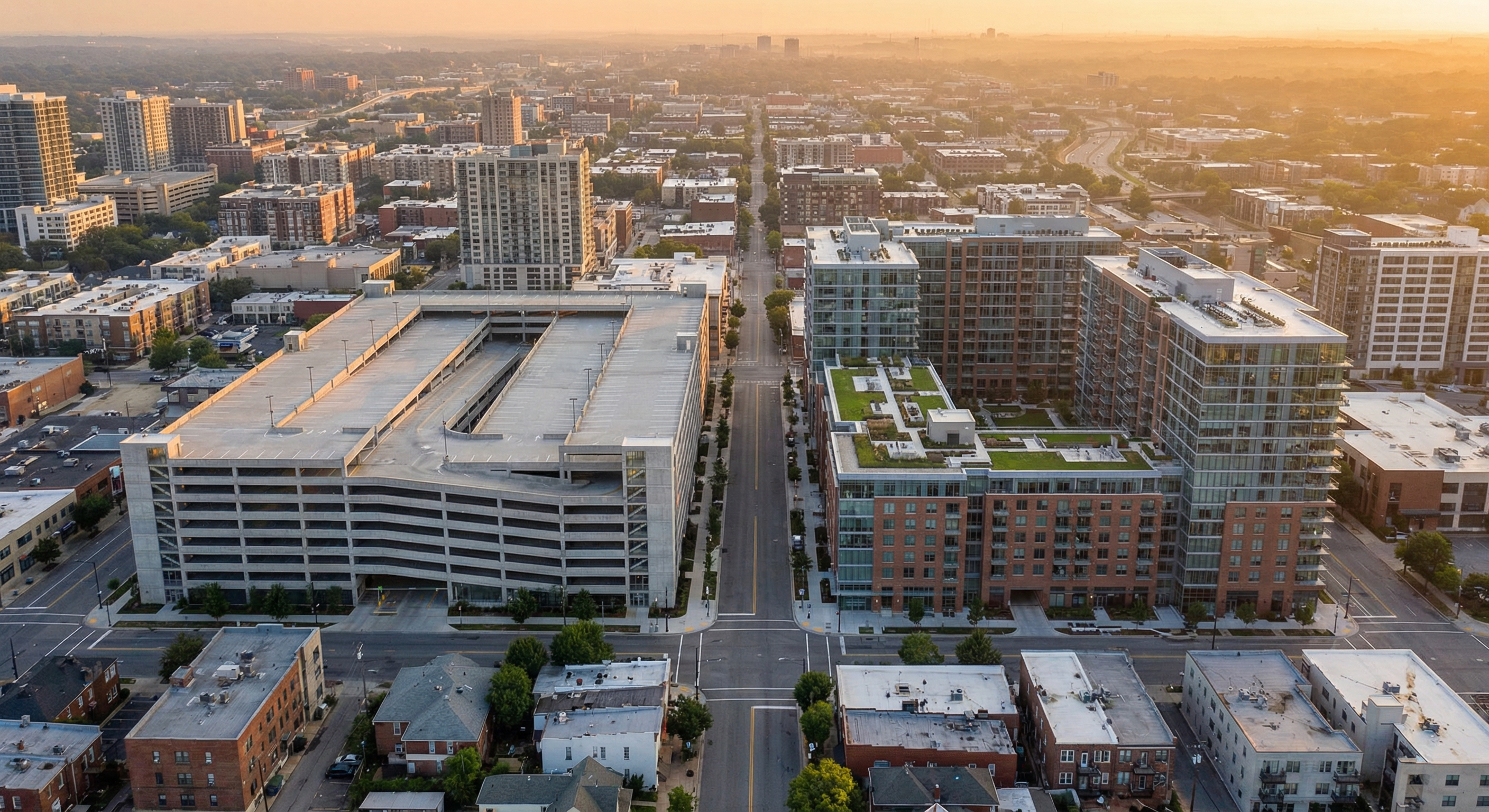
Aerial view of urban city block showing structured parking garage alongside multifamily apartment buildings
Zoning & Supply

The Hidden Cost of "Free" Parking: How Mandatory Minimums Price Americans Out of Housing

Mandatory parking minimums force developers to build $30,000–$50,000 car storage spaces that all residents must subsidize. Minneapolis eliminated minimums — rents fell 4% while national rents rose 22%.

·5 min
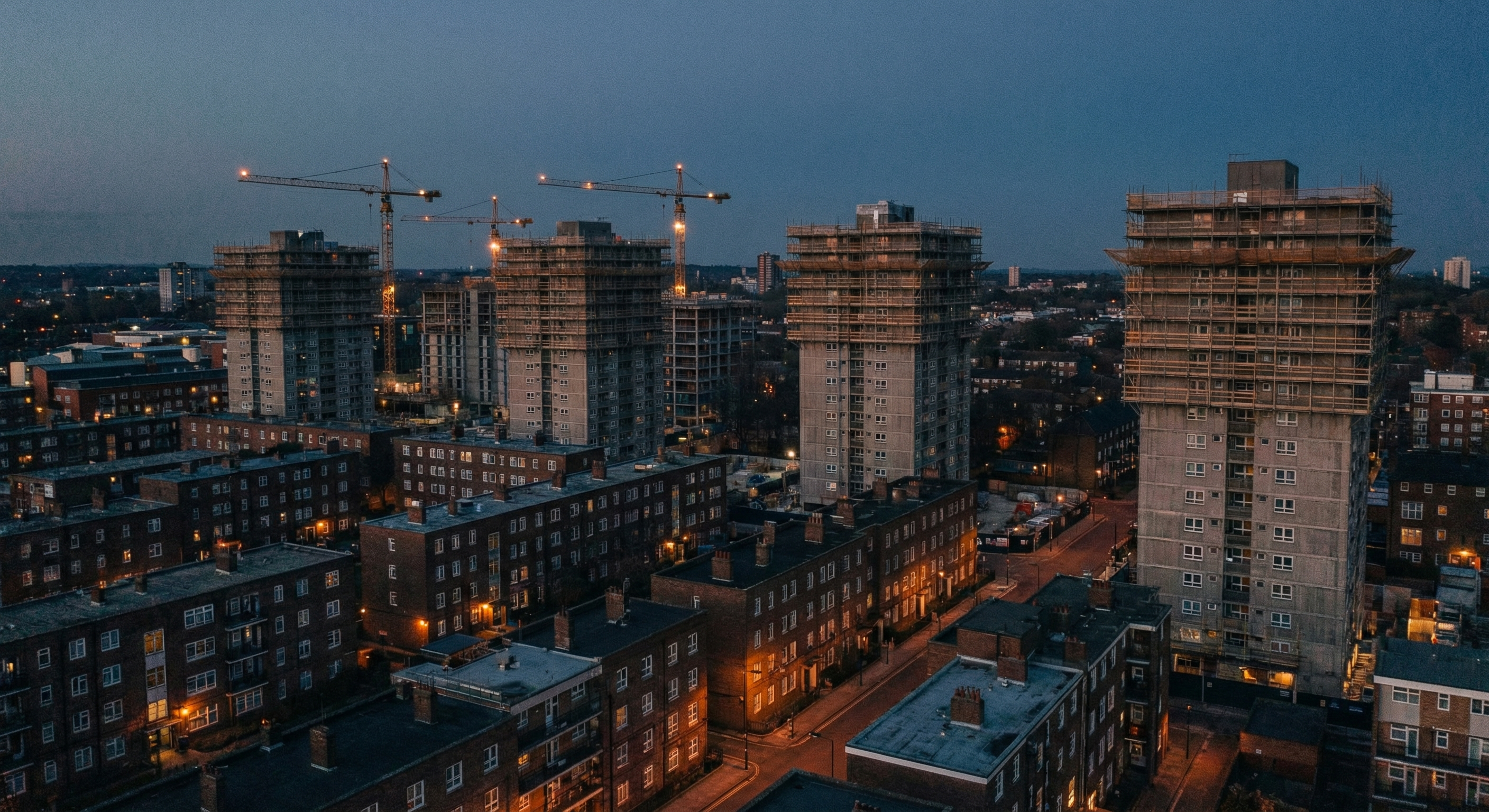
Urban apartment towers under construction at dusk, illustrating housing production constraints from zoning mandates
Zoning & Supply

The Inclusionary Zoning Paradox: How "Affordable Housing" Mandates Make Housing Less Affordable

800+ cities impose inclusionary zoning mandates. The average program produces 27 affordable units per year — while reducing total housing supply and raising market-rate prices.

·8 min
The 30-Year Fixed Mortgage: How Government Engineered America's Housing Finance System
Policy Analysis

The 30-Year Fixed Mortgage: How Government Engineered America's Housing Finance System — and Why It Failed

The 30-year FRM is a New Deal government creation. Today it backs $13T in debt and inflates the prices it was meant to lower. A rigorous free-market analysis.

·8 min
The Inflation Tax: How Money Creation Silently Destroyed Housing Affordability
Monetary Policy

The Inflation Tax: How Money Creation Silently Destroyed Housing Affordability

Since 2020, cumulative inflation has eroded 26% of the dollar's purchasing power while home prices rose nearly twice as fast. Friedman's "hidden tax" dissected.

·8 min
The Property Tax Lock-In: How Assessment Caps Freeze Housing Supply
Policy Analysis

The Property Tax Lock-In: How Assessment Caps Freeze Housing Supply

Prop 13-style assessment caps trap long-term owners in place, freezing supply and pricing out first-time buyers. A free-market analysis of housing's hidden inventory problem.

·7 min
The NIMBY Veto: How Local Opposition Prices Americans Out of Housing
Zoning & Supply

The NIMBY Veto: How Local Opposition Prices Americans Out of Housing

74.5% of multifamily developers face NIMBY opposition that adds 5.6% to costs and 7.4 months of delay. The math reveals housing's most overlooked barrier.

·7 min
The Hidden Tax: How Government Regulation Adds $93,870 to Every New Home
Policy Analysis

The Hidden Tax: How Government Regulation Adds $93,870 to Every New Home

Permit fees, energy codes, impact charges, and bureaucratic delay add nearly $94,000 to the price of every new home built.

·8 min
Quantitative Easing and Home Prices: The $8 Trillion Experiment
Monetary Policy

Quantitative Easing and Home Prices: The $8 Trillion Experiment

The Fed bought trillions in mortgage-backed securities. Instead of stabilizing markets, it created the largest housing bubble in history.

·7 min
Single-Family Zoning: The Invisible Wall Blocking Affordable Housing
Zoning & Supply

Single-Family Zoning: The Invisible Wall Blocking Affordable Housing

75% of residential land in most US cities is restricted to single-family homes. Research shows this inflates prices by 20-50%.

·8 min
Why America Can't Build Enough Homes: The Regulatory Bottleneck
Zoning & Supply

Why America Can't Build Enough Homes: The Regulatory Bottleneck

Permitting delays, environmental reviews, and compliance costs add $93,000+ to every new home built in America.

·7 min
Housing Market 2026: Key Metrics Every Buyer Should Watch
Market Data

Housing Market 2026: Key Metrics Every Buyer Should Watch

Essential metrics for 2026: mortgage rates at 6.5%, inventory at 3.5 months, and the worst affordability index in 40 years.

·6 min
How Rent Control Reshaped San Francisco's Housing Market
Rent Control

How Rent Control Reshaped San Francisco's Housing Market

Stanford research shows SF rent control reduced rental supply by 15% and actually increased market rents by 5.1%.

·7 min
Fannie Mae & Freddie Mac: How Mortgage Guarantees Inflate Home Prices
Policy Analysis

Fannie Mae & Freddie Mac: How Mortgage Guarantees Inflate Home Prices

Government-backed mortgage guarantees subsidize demand without increasing supply — inflating home prices while taxpayers bear the risk.

·7 min

Topics We Cover

Frequently Asked Questions

What causes the affordable housing crisis?

The affordable housing crisis is primarily driven by restrictive zoning laws that limit housing supply, Federal Reserve monetary policy that inflates asset prices, government-imposed regulatory compliance costs that increase construction expenses, and rent control policies that discourage new development and reduce available rental inventory.

How does monetary policy affect housing prices?

The Federal Reserve's low interest rate policies and quantitative easing programs increase the money supply, driving capital into real estate assets. This inflates home prices beyond what wage growth supports, making housing unaffordable for middle and lower-income families. When rates rise rapidly, affordability worsens further as mortgage payments spike while elevated prices persist.

Does rent control make housing more affordable?

Economic research consistently shows that rent control reduces the overall supply of rental housing, leads to deterioration of housing quality, creates black markets, and benefits incumbent tenants at the expense of newcomers. Studies from Stanford, MIT, and other institutions demonstrate that rent control ultimately makes housing less affordable and less available in the long run.

How do zoning laws impact housing affordability?

Restrictive zoning regulations — including single-family zoning, minimum lot sizes, height restrictions, and parking requirements — artificially constrain housing supply in high-demand areas. Research shows that these regulations can increase home prices by 20-50% in heavily regulated markets. Zoning reform that allows greater density and mixed-use development is one of the most effective ways to increase housing supply and reduce costs.

What is the free-market approach to solving the housing crisis?

The free-market approach focuses on removing government barriers to housing supply: eliminating restrictive zoning, reducing regulatory compliance costs, ending government-backed mortgage subsidies that inflate prices, pursuing sound monetary policy, and allowing the market to naturally respond to demand. This approach draws from economists like Milton Friedman, Thomas Sowell, and Friedrich Hayek.

How do government housing subsidies affect the market?

Government housing subsidies — including FHA loans, GSE guarantees through Fannie Mae and Freddie Mac, and the mortgage interest deduction — increase demand without addressing supply constraints. This drives up housing prices, disproportionately benefits higher-income homeowners, and shifts risk to taxpayers. Research suggests these programs contribute to housing price inflation rather than genuine affordability.

About This Publication

The Affordable Housing Initiative publishes rigorous economic analysis grounded in Austrian and Chicago school thought — Milton Friedman, Thomas Sowell, Friedrich Hayek. We examine how monetary policy, zoning restrictions, rent control, government-backed mortgages, and regulatory compliance costs drive housing unaffordability. Every claim is backed by data or sourced economic research.

We publish two articles per weekday covering housing policy, real estate economics, and market analysis, plus a data-dense Friday Market Recap covering mortgage rate movements, housing inventory, price trends, and policy developments.